
Coleman Hawkins was one of the first prominent jazz tenor saxophonists, helping to establish the saxophone as a key instrument in jazz.
Hawkins began studying music at the age of four, starting with piano before switching to the saxophone by age nine.
He joined Fletcher Henderson's Orchestra in New York City, where he became a star soloist and recorded extensively.
Биография
Early Life
Coleman Randolph Hawkins, affectionately known as "Hawk" and sometimes "Bean," was born on November 21, 1904, in Saint Joseph, Missouri. He was named after his mother Cordelia's maiden name. Hawkins began his musical journey at the tender age of four, initially studying piano, then cello, before finally switching to the saxophone by age nine. By fourteen, he was already performing in eastern Kansas. He attended high school in Chicago and Topeka, Kansas, where he also studied harmony and composition at Washburn College.
Career
Hawkins' professional career began in 1921 with Mamie Smith's Jazz Hounds, where he played full-time until 1923. He then moved to New York City and joined Fletcher Henderson's Orchestra, becoming a prominent soloist and recording artist. His style evolved significantly during this period, particularly under the influence of Louis Armstrong. Hawkins was a pioneer in the jazz genre, being one of the first notable tenor saxophonists and helping to establish the saxophone as a legitimate jazz instrument. He toured Europe from 1934 to 1939, collaborating with notable musicians like Django Reinhardt and Benny Carter, further solidifying his reputation.
Legacy
Hawkins' virtuosic playing and innovative improvisation techniques left a lasting impact on jazz music. He influenced a generation of tenor saxophonists, including Chu Berry and Ben Webster, and played a crucial role in the development of bebop in the 1940s. His extensive discography includes landmark albums such as "The Genius of Coleman Hawkins" and "The Hawk Flies High," showcasing his rich, emotional sound and mastery of the saxophone. Coleman Hawkins passed away on May 19, 1969, leaving behind a legacy that continues to inspire musicians today.
Собрано из открытых источников (4) · факты со ссылками · обработка ИИ
Дискография
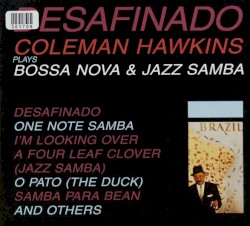 Desafinado1962
Треклист пока не собран.
 Stasch1961
Треклист пока не собран.
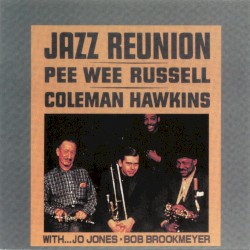 Jazz Reunion1961
Треклист пока не собран.
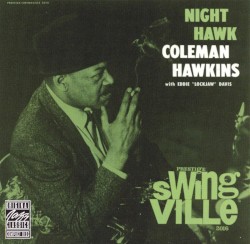 Night Hawk1961
Треклист пока не собран.
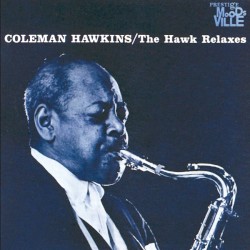 The Hawk Relaxes1961
Треклист пока не собран.
 The Hawk Swings1961
Треклист пока не собран.
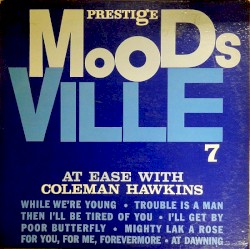 At Ease With Coleman Hawkins1960
Треклист пока не собран.
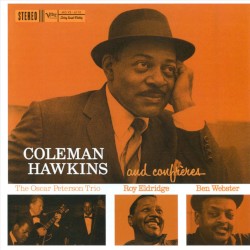 Coleman Hawkins and Confrères1960
Треклист пока не собран.
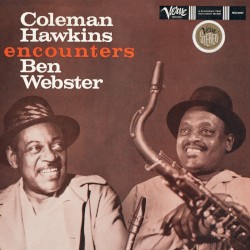 Coleman Hawkins encounters Ben Webster1959
Треклист пока не собран.
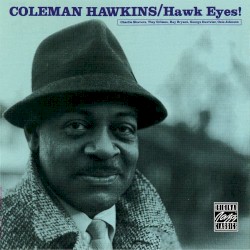 Hawk Eyes1959
Треклист пока не собран.
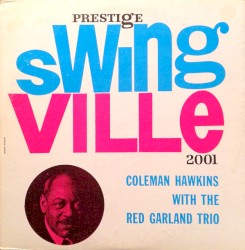 Swingville: Coleman Hawkins With the Red Garland Trio1959
Треклист пока не собран.
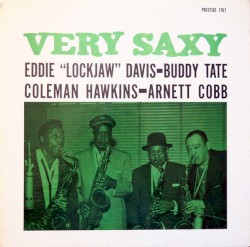 Very Saxy1959
Треклист пока не собран.
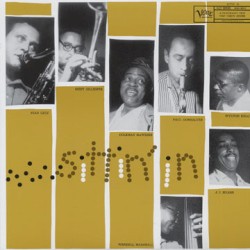 Sittin' In1958
Треклист пока не собран.
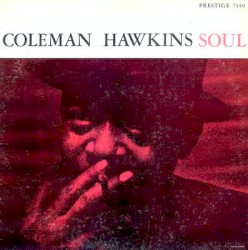 Soul1958
Треклист пока не собран.
 Blues Groove1958
Треклист пока не собран.
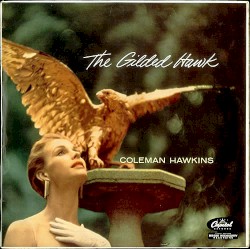 The Gilded Hawk1958
Треклист пока не собран.
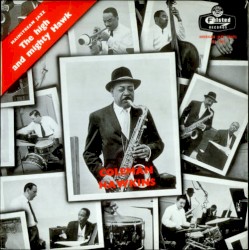 The High and Mighty Hawk1958
Треклист пока не собран.
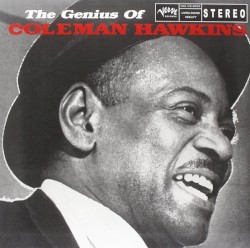 The Genius of Coleman Hawkins1957
Треклист пока не собран.
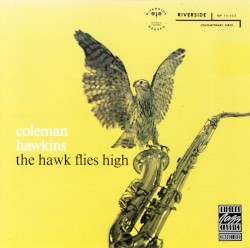 The Hawk Flies High1957
Треклист пока не собран.
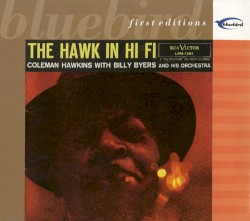 The Hawk in Hi-Fi1956
Треклист пока не собран.
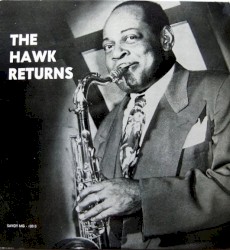 The Hawk Returns1955
Треклист пока не собран.
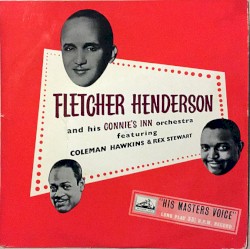 Fletcher Henderson and His Connie’s Inn Orchestra1954
Треклист пока не собран.
 Sir Charles Thompson and His Band Starring Coleman Hawkins1954
Треклист пока не собран.
 Classics in Jazz (Mono Version)1954
Треклист пока не собран.
 Lover Man (Remastered)
Треклист пока не собран.
Галерея


Лейбл
- Record label
- Apollo Records
- Record label
- Candid Records
Группы
- Benny Carter and His Orchestraтекущий
- Charlie Shavers’ All American Fivetenor saxophoneтекущий
- Coleman Hawkins Quarteteponymous, originalтекущий
- Coleman Hawkins Quinteteponymous, originalтекущий
- Coleman Hawkins Septeteponymous, originalтекущий
- Coleman Hawkins and His Sax Ensembleeponymous, originalтекущий
- Coleman Hawkins’ 52nd Street All Starseponymous, originalтекущий
- Coleman Hawkins’ All American Foureponymous, originalтекущий
- Coleman Hawkins’ Swing Foureponymous, originalтекущий
- Cozy Cole All Starsтекущий
- Esquire All-American Award Winnersтекущий
- Fletcher Henderson and His Club Alabam Orchestraтекущий
- Fletcher Henderson and His Orchestratenor saxophoneтекущий
- Henry Allen - Coleman Hawkins and Their Orchestraeponymousтекущий
- Jack Purvis and His Orchestraтекущий
- Lionel Hampton and His Orchestraтекущий
- Mamie Smith and Her Jazz Houndsтекущий
- McKinney’s Cotton Pickersтекущий
- Metronome All Starsтекущий
- Michel Warlop et son orchestreтекущий
- Mound City Blue Blowersтекущий
- Spike Hughes and His Negro Orchestraтекущий
- The Capitol Jazzmenтекущий
- The Chocolate Dandiesтекущий
- The Dixie Stompersтекущий
- The Prestige All Starsтекущий
- Thelonious Monk Septettenor saxophoneтекущий
Похожие исполнители


Архив
Паспорт
Идентификаторы и алиасы
Также известен как: C . Hawkins, Coleman Hawkings, Coleman Randolph Hawkins
Coleman Randolph Hawkins, nicknamed "Hawk" and sometimes "Bean", was an American jazz tenor saxophonist. One of the first prominent jazz musicians on his instrument, as Joachim E. Berendt explained: "There were some tenor players before him, but the instrument was not an acknowledged jazz horn." Hawkins biographer John Chilton described the prevalent styles of tenor saxophone solos prior to Hawkins as "mooing" and "rubbery belches". Hawkins denied being first and noted his contemporaries Happy Caldwell, Stump Evans, and Prince Robinson, although he was the first to tailor his method of improvisation to the saxophone rather than imitate the techniques of the clarinet. Hawkins's virtuosic, arpeggiated approach to improvisation, with his characteristic rich, emotional, and vibrato-laden tonal style, was the main influence on a generation of tenor players that included Chu Berry, Charlie Barnet, Tex Beneke, Ben Webster, Vido Musso, Herschel Evans, Buddy Tate, and Don Byas, and through them the later tenormen, Arnett Cobb, Illinois Jacquet, Flip Phillips, Ike Quebec, Al Sears, Paul Gonsalves, and Lucky Thompson. While Hawkins became known with swing music during the big band era, he had a role in the development of bebop in the 1940s.
Все ссылки
Мнения фанатов — не проверенные факты.
…