
Bedřich Smetana
Musician · Czechia · 1824–1884
Bedřich Smetana is celebrated as a pioneering Czech composer who significantly influenced the development of national music.
He is best known for his opera "The Bartered Bride" and the symphonic cycle "Má vlast," which includes the iconic piece "Vltava."
Smetana's musical genres include classical music, opera, and symphonic poems, showcasing his versatility as a composer.
Biography
Early Life
Bedřich Smetana was born on March 2, 1824, in what is now the Czech Republic. He grew up in a musical environment, which greatly influenced his early development as a composer. Smetana's Czech heritage played a significant role in shaping his artistic identity, and he became a prominent figure in the cultural revival of his nation.
Career
Smetana's career as a composer flourished in the 19th century, during which he pioneered a musical style that resonated with the aspirations of the Czech people. He is best known for his opera "The Bartered Bride," composed in 1866, which remains a staple in the operatic repertoire. Additionally, his symphonic cycle "Má vlast" (My Country) is celebrated for its vivid portrayal of Bohemia's history, legends, and landscapes, featuring the famous symphonic poem "Vltava," also known as "Die Moldau."
Legacy
Regarded as the father of Czech music, Smetana's contributions have left an indelible mark on the classical music landscape. His works not only reflect his national pride but also embody the spirit of the Czech people during a time of cultural and political revival. Smetana passed away on May 12, 1884, but his music continues to inspire and resonate with audiences around the world, solidifying his legacy as a key figure in the history of classical music.
Collected from open sources (4) · facts link to sources · AI-processed
Discography
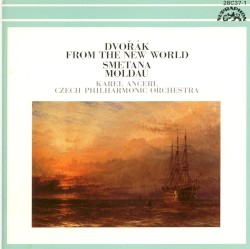 Dvorak: From the New World / Smetana: Moldau1985
- 1.Symphony no. 9, "From the New World": I. Adagio. Allegro molto9:11
- 2.Symphony no. 9, "From the New World": II. Largo11:39
- 3.Symphony no. 9, "From the New World": III. Molto vivace7:53
- 4.Symphony no. 9, "From the New World": IV. Allegro con fuoco11:21
- 5.Moldau12:32
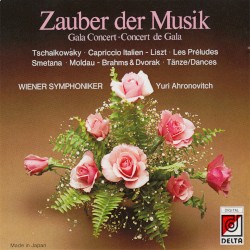 Zauber der Musik1984
- 1.Slawischer Tanz Nr. 84:46
- 2.Die Moldau12:51
- 3.Ungarischer Tanz Nr. 53:12
- 4.Ungarischer Tanz Nr. 64:06
- 5.Capriccio Italien, op. 4515:10
- 6.Les Préludes16:27
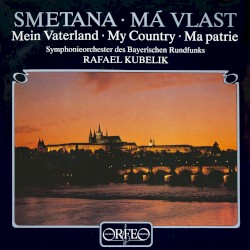 Má Vlast1984
- 1.Má Vlast: Vyšehrad15:29
- 2.Má Vlast: Vltava (Die Moldau)11:47
- 3.Má Vlast: Šárka9:53
- 4.Má Vlast: Z českých luhů a hájů (Aus Böhmens Hain und Flur)13:15
- 5.Má Vlast: Tábor12:40
- 6.Má Vlast: Blanik13:55
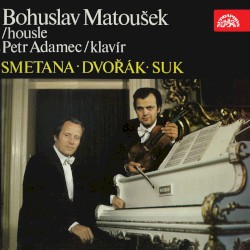 Works for Violin and Piano1982
- 1.From the Homeland, JB 1:118: I. Moderato5:05
- 2.From the Homeland, JB 1:118: II. Andantino - Moderato7:20
- 3.Four Pieces for Violin and Piano, op. 17: I. Quasi balatta5:39
- 4.Four Pieces for Violin and Piano, op. 17: II. Appassionato4:12
- 5.Four Pieces for Violin and Piano, op. 17: III. Un poco triste3:58
- 6.Four Pieces for Violin and Piano, op. 17: IV. Burlesque3:07
- 7.Sonatina, op. 100, B. 120: I. Allegro risoluto5:49
- 8.Sonatina, op. 100, B. 120: II. Larghetto4:14
- 9.Sonatina, op. 100, B. 120: III. Scherzo. Molto vivace9:23
 Smetana / Janáček / Wolf: Streichquartette / Bruckner: Streichquintett1982
- 1.2. Streichquartett "Intime Briefe" / 2nd String Quartet "Intimate Letters": Andante6:35
- 2.2. Streichquartett "Intime Briefe" / 2nd String Quartet "Intimate Letters": Adagio6:02
- 3.2. Streichquartett "Intime Briefe" / 2nd String Quartet "Intimate Letters": Moderato5:52
- 4.2. Streichquartett "Intime Briefe" / 2nd String Quartet "Intimate Letters": Allegro7:35
- 5.2. Streichquartett e-moll "Aus meinem Leben" / 2nd String Quartet in E minor "From My Life": Allegro vivo appassionato7:25
- 6.2. Streichquartett e-moll "Aus meinem Leben" / 2nd String Quartet in E minor "From My Life": Allegro moderato alla Polka5:27
- 7.2. Streichquartett e-moll "Aus meinem Leben" / 2nd String Quartet in E minor "From My Life": Largo sostenuto8:23
- 8.2. Streichquartett e-moll "Aus meinem Leben" / 2nd String Quartet in E minor "From My Life": Vivace5:42
- 9.Streichquintett in F major / String Quartet in F major:12:05
- 10.Streichquintett in F major / String Quartet in F major: Scherzo. Schnell8:04
- 11.Streichquintett in F major / String Quartet in F major:12:58
- 12.Streichquintett in F major / String Quartet in F major: Finale. Lebhaft bewegt.10:03
- 13.Italienische Serenade für Streichquartett G-dur / Italian Serenade for String Quartet in G-major: Molto vivo6:55
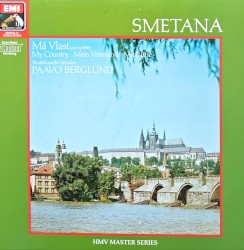 Mein Vaterland1979
- 1.Mein Vaterland (Má Vlast): I. Vyšehrad
- 2.Mein Vaterland (Má Vlast): II. Die Moldau = Vltava
- 3.Mein Vaterland (Má Vlast): III. Šárka
- 4.Mein Vaterland (Má Vlast): IV. Aus Böhmens Hain Und Flur = Z Ceskych Luhu A Háju
- 5.Mein Vaterland (Má Vlast): V. Tabor = Tábor
- 6.Mein Vaterland (Má Vlast): VI. Blanik = Blánik
- 7.Scherzo Capriccioso Op.66 Slawische Rhapsodie Nr. 3 As-Dur Op.45
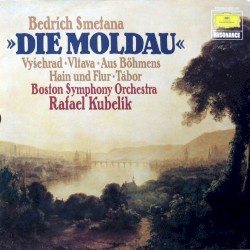 Die Moldau: Vyšehrad / Vltava / Aus Böhmens Hain und Flur / Tábor1978
- 1.Mein Vaterland. Zyklus symphonischer Dichtungen (Ausschnitte): Vyšehrad: Lento – Largo maestoso – Grandioso poco largamente – Allegro vivo ma non agitato – Lento ma non troppo15:10
- 2.Mein Vaterland. Zyklus symphonischer Dichtungen (Ausschnitte): Vltava (Die Moldau): Allegro commodo non agitato. Die Quelle der Moldau – Waldjagd – L'istesso tempo ma moderato. Bauernhochzeit – L'istesso tempo. Mondschein. Nymphenreigen – Tempo I – Più moto. Die Moldau strömt breit dahin – Vyšehrad11:49
- 3.Mein Vaterland. Zyklus symphonischer Dichtungen (Ausschnitte): Aus Böhmens Hain und Flur: Molto moderato – Allegro poco vivo, ma non troppo – Allegro (Quasi Polka) – Tempo I – Allegro – Presto12:27
- 4.Mein Vaterland. Zyklus symphonischer Dichtungen (Ausschnitte): Tábor: Lento – Grandioso – Molto vivace – Lento – Molto vivace – Lento maestoso – Più animato12:22
 The Bartered Bride (sung in German)1978
- 1.The Bartered Bride (sung in German), Act I: Overture7:10
- 2.The Bartered Bride (sung in German), Act I: “Seht am Strauch die Knospen springen” (Chorus, Hans, Marie)8:18
- 3.The Bartered Bride (sung in German), Act I: “Zum Tanze rufen sie mich heut’ umsonst” (Marie, Hans)1:22
- 4.The Bartered Bride (sung in German), Act I: “Gern, ja, will ich dir vertrauen” (Marie)3:38
- 5.The Bartered Bride (sung in German), Act I: “O sage, was dich fort von Hause in die Fremde trieb” (Marie, Hans)0:46
- 6.The Bartered Bride (sung in German), Act I: “Mit der Mutter sank zu Grabe” (Hans, Marie)5:44
- 7.The Bartered Bride (sung in German), Act I: “Alles ist so gut wie richtig” (Kezal, Kruschina, Kathinka)4:48
- 8.The Bartered Bride (sung in German), Act I: “Nun freilich, den Tobias Micha” (Kruschina, Kezal, Kathinka)0:50
- 9.The Bartered Bride (sung in German), Act I: “Wär’ er nur gleich mitgekommen!” (Kruschina, Kathinka)3:30
- 10.The Bartered Bride (sung in German), Act I: “Seht, da kommt sie sonder Ahnung!” (Kezal, Marie, Kruschina, Kathinka)4:39
- 11.The Bartered Bride (sung in German), Act I: “Mit Hans bin ich vereinigt” (Marie, Kruschina, Kathinka, Kezal)1:53
- 12.The Bartered Bride (sung in German), Act I: “Durch die Reihen hinzufliegen” (Chorus)4:50
- 13.The Bartered Bride (sung in German), Act II: “Wie schäumst du in den Gläsern” (Chorus, Hans)4:46
- 14.The Bartered Bride (sung in German), Act II: Furiant2:03
- 15.The Bartered Bride (sung in German), Act II: “Theurer Sohn, sprach Mütterlein” (Wenzel)2:56
- 16.The Bartered Bride (sung in German), Act II: “Seid der Verlobte ihr von Kruschina’s Mariechen nicht?” (Marie, Wenzel)1:26
- 17.The Bartered Bride (sung in German), Act II: “Ich weiß Euch einen lieben Schatz” (Marie, Wenzel)6:08
- 18.The Bartered Bride (sung in German), Act II: “Komm’, mein Söhnchen, auf ein Wort!” (Kezal, Hans)6:25
- 19.The Bartered Bride (sung in German), Act II: “Gib die törichte Liebschaft auf” (Kezal, Hans)3:10
- 20.The Bartered Bride (sung in German), Act II: “Armer Narr, glaubtest du mich zu fangen?” (Hans)0:39
- 21.The Bartered Bride (sung in German), Act II: “Es muß gelingen” (Hans)2:17
- 22.The Bartered Bride (sung in German), Act II: “Nicht zu hitzig!” (Kezal, Chorus)4:07
- 23.The Bartered Bride (sung in German), Act III: “O, was ich mich betrübe” (Wenzel)2:39
- 24.The Bartered Bride (sung in German), Act III: Marsch der Komödianten0:32
- 25.The Bartered Bride (sung in German), Act III: “Dem nie genug verehrten Publikum” (Springer)0:55
- 26.The Bartered Bride (sung in German), Act III: Tanz und Produktion der Komödianten3:31
- 27.The Bartered Bride (sung in German), Act III: Recitative. “Ei, ei, ei, wie reizend!” (Wenzel, Esmeralda, Muff, Springer)3:27
- 28.The Bartered Bride (sung in German), Act III: “Alles geht am Schnürchen” (Esmeralda, Springer)1:53
- 29.The Bartered Bride (sung in German), Act III: “Ach, wie wird es mir ergehn?” (Wenzel, Agnes, Kezal, Micha)1:20
- 30.The Bartered Bride (sung in German), Act III: “Nein, nein, nein!” (Marie, Kruschina, Kezal, Kathinka, Wenzel, Agnes, Micha)3:46
- 31.The Bartered Bride (sung in German), Act III: “Noch ein Weilchen, Marie, Bedenk’ es Dir” (Kathinka, Agnes, Kruschina, Micha, Kezal, Marie)3:46
- 32.The Bartered Bride (sung in German), Act III: “Endlich allein” (Marie)1:09
- 33.The Bartered Bride (sung in German), Act III: “Wie fremd und todt ist Alles umher” (Marie)4:21
- 34.The Bartered Bride (sung in German), Act III: “So find’ ich dich, Feinsliebchen, hier” (Hans, Marie)2:24
- 35.The Bartered Bride (sung in German), Act III: “Mein lieber Schatz, nun aufgepasst!” (Hans, Marie)1:46
- 36.The Bartered Bride (sung in German), Act III: “He, Hans, möchtest wohl dein Geld?” (Kezal, Marie, Hans)1:15
- 37.The Bartered Bride (sung in German), Act III: “Kommen wir gerne, so kommen wir gleich!” (Chorus, Marie, Hans, Agnes, Micha)1:18
- 38.The Bartered Bride (sung in German), Act III: “Herr Vater und Frau Mutter, da bin ich wieder” (Hans, Kezal, Agnes, Marie)1:50
- 39.The Bartered Bride (sung in German), Act III: “Wer hätte das von ihm gedacht!?” (Kezal, Micha, Agnes, Chorus)1:22
- 40.The Bartered Bride (sung in German), Act III: “Seid ohne Furcht!” (Wenzel, Agnes, Kruschina, Kathinka)1:35
- 41.The Bartered Bride (sung in German), Act III: “So ist’s recht, es freut uns alle!” (All, Chorus)0:52
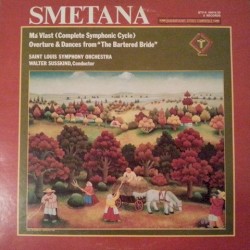 Má Vlast1975
- 1.Vyšehrad14:32
- 2.Vltava12:14
- 3.Šárka9:52
- 4.Z Český Luhův A Hájů (From Bohemias Woods And Fields)12:01
- 5.Tábor12:45
- 6.Blanik14:28
- 7.Overture6:54
- 8.Polka5:23
- 9.Furiant2:06
- 10.Dance Of Comedians4:07
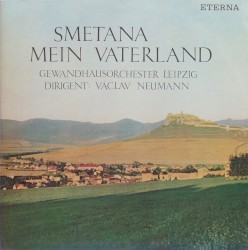 Mein Vaterland1973
- 1.Mein Vaterland: I. Vyšehrad15:41
- 2.Mein Vaterland: II. Die Moldau12:49
- 3.Mein Vaterland: III. Šárka9:57
- 4.Mein Vaterland: IV. Aus Böhmens Hain und Flur13:04
- 5.Mein Vaterland: V. Tábor13:41
- 6.Mein Vaterland: VI. Blanik14:43
 Liszt: Les Preludes Ungarische Rhapsodie Nr.2 Smetana: Vysehrad Die Moldau1968
- 1.Les Préludes, S. 9717:14
- 2.Hungarian Rhapsody no. 211:20
- 3.Má Vlast, no. 1: Vysehrad15:52
- 4.Má Vlast, no. 2: Vltava (The Moldau)12:27
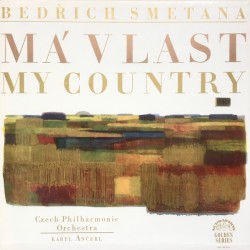 Má Vlast1964
- 1.Má vlast, JB 1:112: No. 1, Vyšehrad14:21
- 2.Má vlast, JB 1:112: No. 2, Vltava12:33
- 3.Má vlast, JB 1:112: No. 3, Šárka9:55
- 4.Má vlast, JB 1:112: No. 4, From Bohemian Fields and Groves12:18
- 5.Má vlast, JB 1:112: No. 5, Tábor12:22
- 6.Má vlast, JB 1:112: No. 6, Blaník13:45
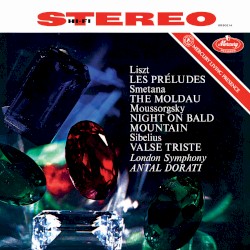 Liszt: Les Préludes / Smetana: The Moldau / Moussorgsky: Night on Bald Mountain / Sibelius: Valse triste1961
Tracklist not collected yet.
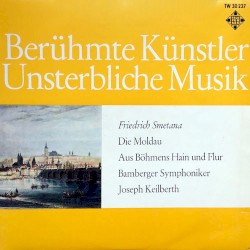 Die Moldau / Aus Böhmens Hain und Flur1961
Tracklist not collected yet.
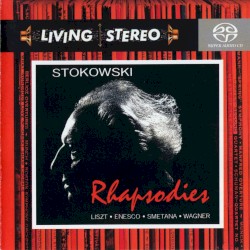 Rhapsodies: Liszt, Enescu, Wagner, Smetana1961
Tracklist not collected yet.
 Má Vlast2012
Tracklist not collected yet.
 Quatuor nº1 "de ma vie" / Quatuor nº2 / Huit polkas1999
Tracklist not collected yet.
 L'Âme slave1998
Tracklist not collected yet.
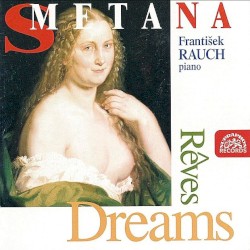 Dreams1995
Tracklist not collected yet.
 SMETANA MA VLAST / MA PATRIE1989
Tracklist not collected yet.
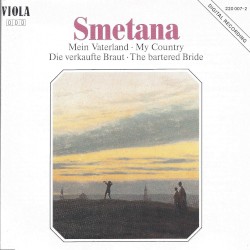 Mein Vaterland - My Country / Die verkaufte Braut - The Bartered Bride1983
Tracklist not collected yet.
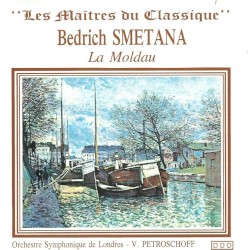 La Moldau "Les Maîtres du Classiques"
Tracklist not collected yet.
 Má vlast (My Fatherland)
Tracklist not collected yet.
 Smetana/Dvorák/Gounod/Adam
Tracklist not collected yet.
 Symphonic Poems / Prague Carnival
Tracklist not collected yet.
Gallery


Similar artists


Archive
Passport
Identifiers & aliases
Also known as: B. Smetana, B.Smetana, Bedrich Smetana, Bedrick Smetana, F. Smetana, Friedrich Smetana
Bedřich Smetana was a Czech composer who pioneered the development of a musical style that became closely identified with his people's aspirations to a cultural and political "revival". He has been regarded in his homeland as the father of Czech music. Internationally he is best known for his 1866 opera The Bartered Bride and for the symphonic cycle Má vlast, which portrays the history, legends and landscape of the composer's native Bohemia. It contains the famous symphonic poem "Vltava", also popularly known by its German name "Die Moldau".
All links
Opinions of fans — not verified facts.
…