
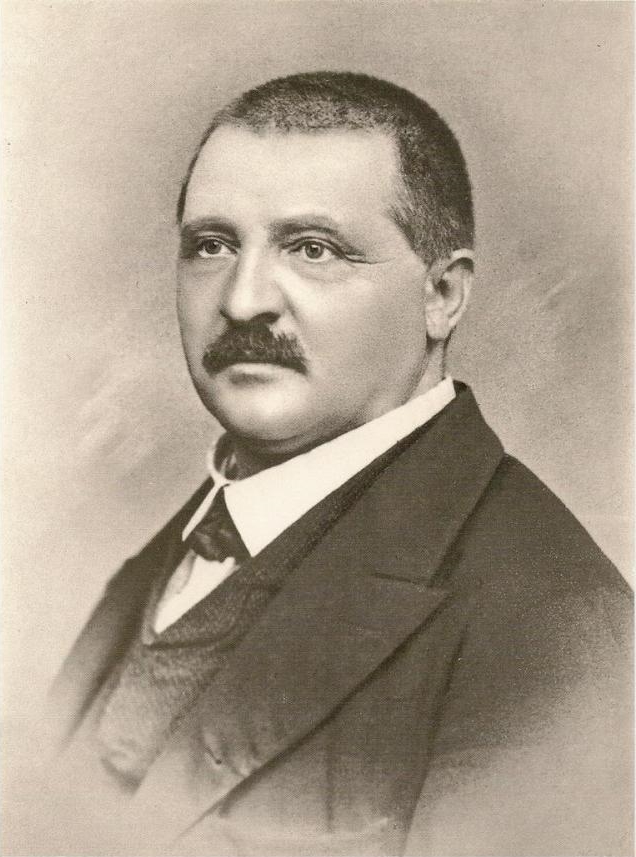
Bruckner's primary genres included classical music and symphonies, showcasing his mastery in orchestral composition.
He was significantly influenced by the works of Richard Wagner, which shaped his musical style.
Bruckner was awarded an honorary doctorate from the University of Vienna for his contributions to music.
Biography
Early Life
Joseph Anton Bruckner was born on September 4, 1824, in Ansfelden, Austria, into a family with a rich history of farming and craftsmanship. His father, Anton Bruckner Sr., was a schoolmaster and his first music teacher, instilling in him a love for music from a young age. Bruckner showed remarkable dedication to the organ, often practicing for up to 12 hours a day. His early education was marked by hard work and a passion for music, which he honed under the guidance of his father and later at the school of Johann Baptist Weiß, a respected organist.
Career
Bruckner's career as a composer and organist flourished in the 19th century, where he became renowned for his symphonies and sacred music, including Masses and motets. His compositions are emblematic of the final stage of Austro-German Romanticism, characterized by rich harmonic language and polyphonic textures. Bruckner's symphonies, such as the Symphony No. 5 and Symphony No. 8, are celebrated for their innovative use of dissonance and modulation, which helped define contemporary musical radicalism. Throughout his life, he received several accolades, including the Knight's Cross of the Order of Franz Joseph and an honorary doctorate from the University of Vienna.
Legacy
Bruckner's music gained significant recognition posthumously, particularly with advancements in recording technology that allowed his lengthy compositions to reach wider audiences. His works were embraced by the Nazi regime in Germany, which viewed them as representative of the German spirit. Despite this controversial association, Bruckner's music remains a staple in classical repertoire, celebrated for its emotional depth and complexity. He passed away on October 11, 1896, leaving behind a legacy that continues to influence composers and musicians today.
Collected from open sources (4) · facts link to sources · AI-processed
Discography
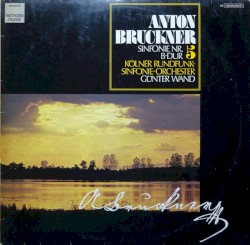 Sinfonie Nr. 5 B-Dur1977
- 1.Sinfonie Nr. 5 B-Dur: I. Introduction. Adagio – Allegro20:10
- 2.Sinfonie Nr. 5 B-Dur: II. Adagio. Sehr langsam15:55
- 3.Sinfonie Nr. 5 B-Dur: III. Scherzo. Molto vivace (Schnell)14:16
- 4.Sinfonie Nr. 5 B-Dur: IV. Finale. Adagio – Allegro moderato24:12
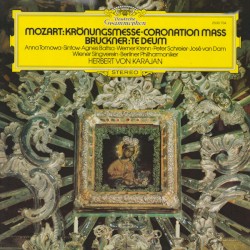 Mozart: Krönungsmesse / Bruckner: Te Deum1976
- 1.Messe in C-Dur, KV 317 "Krönungsmesse": Kyrie: Andante maestoso - Più andante3:16
- 2.Messe in C-Dur, KV 317 "Krönungsmesse": Gloria: Allegretto non spirito3:59
- 3.Messe in C-Dur, KV 317 "Krönungsmesse": Credo: Allegretto molto - Adagio - Tempo I6:40
- 4.Messe in C-Dur, KV 317 "Krönungsmesse": Sanctus: Andante maestoso - Allegro assai1:58
- 5.Messe in C-Dur, KV 317 "Krönungsmesse": Benedictus: Allegretto - Allegro assai3:17
- 6.Messe in C-Dur, KV 317 "Krönungsmesse": Agnus Dei: Agnus Dei. Andante sostenuto3:51
- 7.Messe in C-Dur, KV 317 "Krönungsmesse": Agnus Dei: Dona nobis pacem. Allegro con spirito2:56
- 8.Te Deum, WAB 45: I. Te Deum laudamus6:53
- 9.Te Deum, WAB 45: II. Te ergo, quaesumus2:42
- 10.Te Deum, WAB 45: III. Aeterna fac cum sanctis tuis1:45
- 11.Te Deum, WAB 45: IV. Salvum fac populum tuum, Domine6:45
- 12.Te Deum, WAB 45: V. In te, Domine, speravi7:05
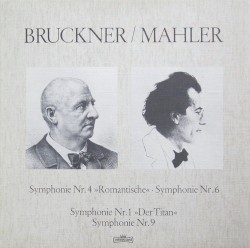 Bruckner: Symphonie Nr. 4 »Romantische« / Symphonie Nr. 6 / Mahler: Symphonie Nr. 1 »DerTitan« / Symphonie Nr. 91976
- 1.Symphonie Nr. 4 Es-Dur »Romantische«: Bewegt, nicht zu schnell
- 2.Symphonie Nr. 4 Es-Dur »Romantische«: Andante quasi Allegretto
- 3.Symphonie Nr. 4 Es-Dur »Romantische«: Scherzo: Bewegt, Trio: Nicht zu schnell, keinesfalls schleppend
- 4.Symphonie Nr. 4 Es-Dur »Romantische«: Finale: Bewegt, doch nicht zu schnell
- 5.Symphonie Nr. 6 A-dur: Majestoso
- 6.Symphonie Nr. 6 A-dur: Adagio: Sehr feierlich
- 7.Symphonie Nr. 6 A-dur: Scherzo: Nicht zu schnell, Trio: Langsam
- 8.Symphonie Nr. 6 A-dur: Finale: Bewegt, doch nicht zu schnell
- 9.Symphonie Nr. 1 D-dur »Der Titan«: Langsam, schleppend: im Anfang sehr gemächlich
- 10.Symphonie Nr. 1 D-dur »Der Titan«: Kräftig bewegt, doch nicht zu schnell
- 11.Symphonie Nr. 1 D-dur »Der Titan«: Feierlich und gemessen, ohne zu schleppen
- 12.Symphonie Nr. 1 D-dur »Der Titan«: Stürmisch bewegt
- 13.Symphonie Nr. 9 D-moll: Andante comodo27:20
- 14.Symphonie Nr. 9 D-moll: Im Tempo eines gemächlichen Ländlers Etwas täppisch und sehr derb14:50
- 15.Symphonie Nr. 9 D-moll: Rondo - Burleske - Allegro assai - Sehr trotzig12:40
- 16.Symphonie Nr. 9 D-moll: Adagio. Sehr langsam und noch zurückhaltend24:08
 Liszt: Missa Choralis / Bruckner: Five Motets1973
- 1.Missa Choralis (S. 10): Kyrie6:32
- 2.Missa Choralis (S. 10): Gloria4:38
- 3.Missa Choralis (S. 10): Credo6:45
- 4.Missa Choralis (S. 10): Sanctus2:54
- 5.Missa Choralis (S. 10): Benedictus5:04
- 6.Missa Choralis (S. 10): Agnus Dei6:05
- 7.Afferentur regi virgines, WAB11:32
- 8.Os justi meditabitur sapientiam, WAB305:00
- 9.Inveni David, WAB191:47
- 10.Pange Lingua, Gloriosi, WAB335:48
- 11.Ecce Sacerdos Magnus, WAB135:39
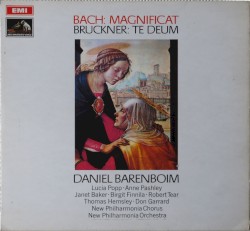 Bach: Magnificat D-Dur, BWV 243 / Bruckner: Te Deum1970
- 1.Magnificat D-Dur, BWV 243: Magnificat2:55
- 2.Magnificat D-Dur, BWV 243: Et Exsultavit2:29
- 3.Magnificat D-Dur, BWV 243: Quia Respexit2:50
- 4.Magnificat D-Dur, BWV 243: Omnes Generations1:23
- 5.Magnificat D-Dur, BWV 243: Quia Fecit Mihi Magna2:03
- 6.Magnificat D-Dur, BWV 243: Et Misericordia4:30
- 7.Magnificat D-Dur, BWV 243: Fecit Potentiam2:15
- 8.Magnificat D-Dur, BWV 243: Deposuit Potentes2:12
- 9.Magnificat D-Dur, BWV 243: Esurientes Implecit Bonis3:10
- 10.Magnificat D-Dur, BWV 243: Suscepit Israel2:14
- 11.Magnificat D-Dur, BWV 243: Sicut Locutus Est2:12
- 12.Magnificat D-Dur, BWV 243: Gloria Patri2:10
- 13.Te Deum: Te Deum Laudamus6:01
- 14.Te Deum: Te Ergo Quaesumus2:53
- 15.Te Deum: Aeterna Fac Cum Sanctis Tuis1:19
- 16.Te Deum: Salvum Fac Populum Tuum6:32
- 17.Te Deum: In Te, Domine, Speravi6:01
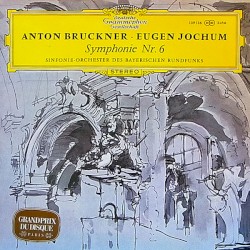 Symphonie Nr. 61967
- 1.Symphony No. 6 in A major: I. Majestoso16:37
- 2.Symphony No. 6 in A major: II. Adagio. Sehr feierlich17:14
- 3.Symphony No. 6 in A major: III. Scherzo. Nicht schnell7:55
- 4.Symphony No. 6 in A major: IV. Finale. Bewegt, doch nicht zu schnell13:20
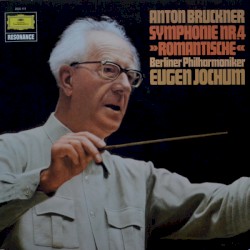 Symphonie Nr. 4 »Romantische«1967
- 1.Symphonie Nr. 4 Es‐Dur »Romantische«: 1. Bewegt, nicht zu schnell17:36
- 2.Symphonie Nr. 4 Es‐Dur »Romantische«: 2. Andante quasi Allegretto16:41
- 3.Symphonie Nr. 4 Es‐Dur »Romantische«: 3. Scherzo. Bewegt10:02
- 4.Symphonie Nr. 4 Es‐Dur »Romantische«: 4. Finale. Bewegt, doch nicht zu schnell20:04
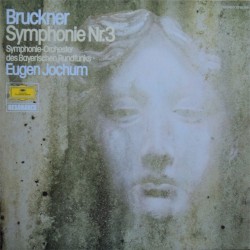 Symphonie Nr. 31967
- 1.Symphonie Nr. 3 d-Moll 1. Satz: Mehr .angsam, misterioso19:51
- 2.Symphonie Nr. 3 d-Moll 2. Satz: Adagio, bewegt, quasi andante (1. Teil)9:02
- 3.Symphonie Nr. 3 d-Moll 2. Satz: Adagio, bewegt, quasi andante (2. Teil)6:06
- 4.Symphonie Nr. 3 d-Moll 3. Satz: Scherzo: Ziemlich schnell (quasi attacca)7:12
- 5.Symphonie Nr. 3 d-Moll 4. Satz: Finale: Allegro10:35
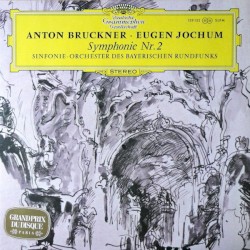 Symphonie Nr. 21967
- 1.Symphony No. 2 in C minor: I. Moderato17:57
- 2.Symphony No. 2 in C minor: II. Andante14:05
- 3.Symphony No. 2 in C minor: III. Scherzo. Mäßig schnell6:37
- 4.Symphony No. 2 in C minor: IV. Finale. Mehr schnell13:17
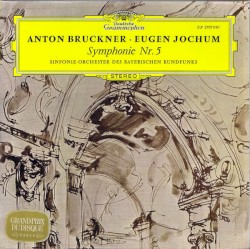 Symphonie Nr. 51967
- 1.Symphony No. 5 in B-flat major: I. Introduction. Adagio – Allegro20:54
- 2.Symphony No. 5 in B-flat major: II. Adagio. Sehr langsam19:23
- 3.Symphony No. 5 in B-flat major: III. Scherzo. Molto vivace (Schnell)12:35
- 4.Symphony No. 5 in B-flat major: IV. Finale. Adagio – Allegro moderato24:00
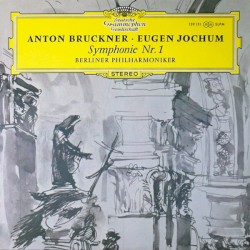 Symphonie Nr. 11966
- 1.Symphonie Nr. 1 C-moll (Linzer Fassung): Allegro
- 2.Symphonie Nr. 1 C-moll (Linzer Fassung): Adagio
- 3.Symphonie Nr. 1 C-moll (Linzer Fassung): Scherzo schnell Trio Langsamer
- 4.Symphonie Nr. 1 C-moll (Linzer Fassung): Finale Bewegt, feurig
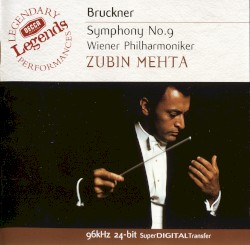 Symphony no. 91965
- 1.Symphony no. 9 in D minor: I. Feierlich, misterioso26:05
- 2.Symphony no. 9 in D minor: II. Scherzo: Bewegt, lebhaft - Trio: schnell10:51
- 3.Symphony no. 9 in D minor: III. Adagio: Langsam, feierlich27:15
 Symphony No. 31963
Tracklist not collected yet.
 Symphonie Nr. 5 / Te Deum1960
Tracklist not collected yet.
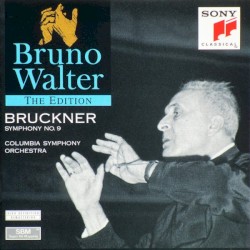 Symphony no. 9 in D minor1960
Tracklist not collected yet.
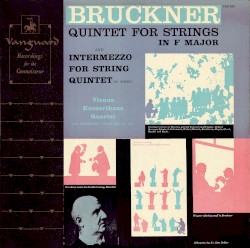 Quintet for Strings in F Major / Intermezzo for String Quintet (op. posth.)1956
Tracklist not collected yet.
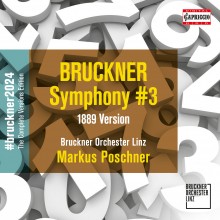 Symphony no. 3 (1889 Version)2024
Tracklist not collected yet.
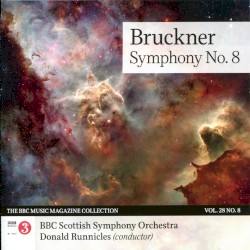 BBC Music, Volume 28 Number 8: Bruckner: Symphony No. 82020
Tracklist not collected yet.
 Symphonies no. 5, no. 7 & no. 92019
Tracklist not collected yet.
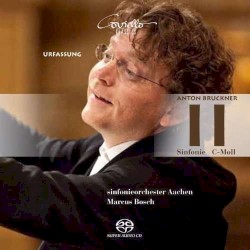 Sinfonie Nr. 2 c-moll Urfassung2010
Tracklist not collected yet.
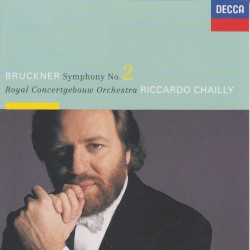 Symphony no. 21994
Tracklist not collected yet.
 La fine del romanticismo, Vol. III1994
Tracklist not collected yet.
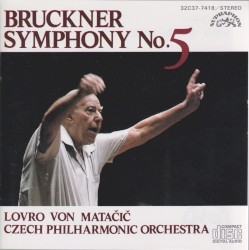 Symphony no. 51985
Tracklist not collected yet.
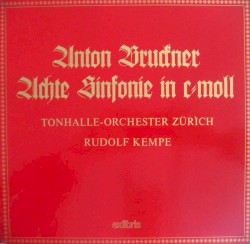 Achte Sinfonie in c-moll1973
Tracklist not collected yet.
 String Quintet
Tracklist not collected yet.
Gallery


Achievements
- Award
- Knight's Cross of the Order of Franz Joseph
- Award
- honorary doctor of the University of Vienna
Influenced by
Groups
- Florianer Sängerknaben1837
Similar artists


Archive
Passport
Identifiers & aliases
Also known as: Anton Bruckner (1824-1896), Bruckner, А. Брукнер, Антон Брукнер
Joseph Anton Bruckner was an Austrian composer and organist best known for his symphonies and sacred music, which includes Masses, Te Deum and motets. The symphonies are considered emblematic of the final stage of Austro-German Romanticism because of their rich harmonic language, strongly polyphonic character, and considerable length. Bruckner's compositions helped to define contemporary musical radicalism, owing to their dissonances, unprepared modulations, and roving harmonies.
All links
Opinions of fans — not verified facts.
…