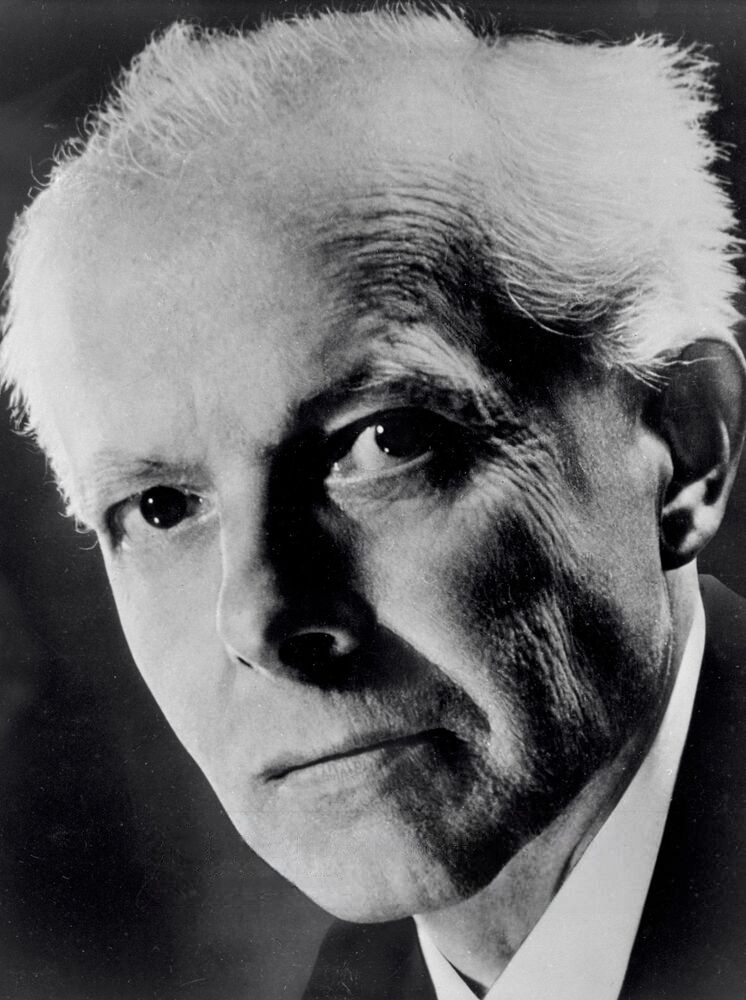
Béla Bartók is celebrated as one of the most important composers of the 20th century, alongside Franz Liszt as Hungary's greatest composers.
Bartók was a pioneer in ethnomusicology, collecting and analyzing folk music, which significantly influenced his compositions.
He received the prestigious Kossuth Prize for his contributions to music.
Biography
Early Life
Béla Viktor János Bartók was born on March 25, 1881, in Hungary. He grew up in a musical environment, which greatly influenced his early development as a composer and pianist. His passion for music was evident from a young age, and he pursued formal training in piano and composition, laying the groundwork for his future career.
Career
Bartók emerged as one of the most significant composers of the 20th century, alongside fellow Hungarian Franz Liszt. His career was marked by a deep engagement with folk music, which he collected and studied extensively. This work led him to become a pioneer in the field of ethnomusicology. Among his most notable compositions are the opera "Bluebeard's Castle," the ballet "The Miraculous Mandarin," and the acclaimed "Concerto for Orchestra." His innovative approach combined traditional folk elements with modernist techniques, creating a unique musical language that influenced generations of composers.
Legacy
Bartók's contributions to music were recognized with numerous awards, including the Kossuth Prize and the Grammy Trustees Award. He was also honored as a Knight of the Legion of Honour and served as an honorary member of the International Society for Contemporary Music. His legacy endures through his extensive body of work, which continues to inspire musicians and composers around the world. Bartók passed away on September 26, 1945, leaving behind a rich musical heritage that reflects his deep connection to Hungarian culture and his innovative spirit in classical music.
Collected from open sources (4) · facts link to sources · AI-processed
Discography
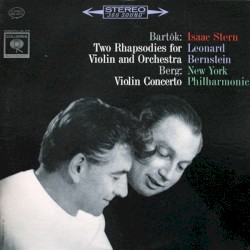 Bartók: Two Rhapsodies for Violin and Orchestra / Berg: Violin Concerto1962
- 1.First Rhapsody: I. “Lassú”4:40
- 2.First Rhapsody: II. “Friss”5:15
- 3.Second Rhapsody: I. “Lassú”4:40
- 4.Second Rhapsody: II. “Friss”6:25
- 5.Concerto for Violin and Orchestra: I. Andante – Allegro10:15
- 6.Concerto for Violin and Orchestra: II. Allegro15:00
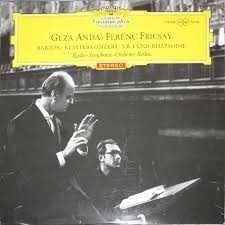 Klavierkonzert Nr. 1 und Rhapsodie1961
- 1.Konzert für Klavier und Orchester Nr. 1, Sz. 83: I. Allegro moderato – Allegro9:14
- 2.Konzert für Klavier und Orchester Nr. 1, Sz. 83: II. Andante8:35
- 3.Konzert für Klavier und Orchester Nr. 1, Sz. 83: III. Allegro molto7:23
- 4.Rhapsodie für Klavier und Orchester, Op. 1, Sz. 2723:35
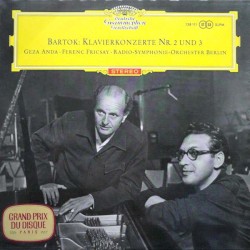 Klavierkonzerte Nr. 2 und 31961
- 1.Konzert für Klavier und Orchester Nr. 2 in G-Dur, Sz. 95: I. Allegro9:50
- 2.Konzert für Klavier und Orchester Nr. 2 in G-Dur, Sz. 95: II. Adagio – Presto – Adagio12:19
- 3.Konzert für Klavier und Orchester Nr. 2 in G-Dur, Sz. 95: III. Allegro molto6:22
- 4.Konzert für Klavier und Orchester Nr. 3 in E-Dur, Sz. 119: I. Allegretto7:13
- 5.Konzert für Klavier und Orchester Nr. 3 in E-Dur, Sz. 119: II. Adagio religioso10:17
- 6.Konzert für Klavier und Orchester Nr. 3 in E-Dur, Sz. 119: III. Allegro vivace6:46
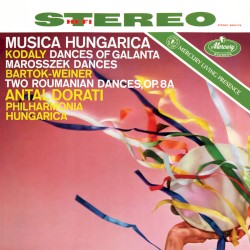 Musica Hungarica1960
- 1.Marosszék Dances
- 2.Two Roumanian Dances, op. 8a: No. 1. Allegro vivace
- 3.Two Roumanian Dances, op. 8a: No. 2. Poco allegro
- 4.Dances of Galanta
 Bartók: Music for Strings, Percussion and Celeste / Martin: Petite Symphonie Concertante1960
- 1.Music for Strings, Percussion & Celesta, Sz. 106: I. Andante tranquillo10:12
- 2.Music for Strings, Percussion & Celesta, Sz. 106: II. Allegro7:20
- 3.Music for Strings, Percussion & Celesta, Sz. 106: III. Adagio7:35
- 4.Music for Strings, Percussion & Celesta, Sz. 106: IV. Allegro molto8:02
- 5.Petite symphonie concertante: I. Adagio - Allegro con moto13:39
- 6.Petite symphonie concertante: II. Adagio4:17
- 7.Petite symphonie concertante: III. Allegretto alla marcia3:55
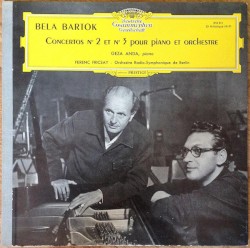 Concertos N°2 et N°3 pour piano et orchestre1960
- 1.Konzert Nr. 2 für Klavier und Orchester: Allegro
- 2.Konzert Nr. 2 für Klavier und Orchester: Adagio - Presto - Adagio
- 3.Konzert Nr. 2 für Klavier und Orchester: Allegro molto
- 4.Konzert Nr. 3 für Klavier und Orchester: Allegretto
- 5.Konzert Nr. 3 für Klavier und Orchester: Adagio religioso
- 6.Konzert Nr. 3 für Klavier und Orchester: Allegro vivace
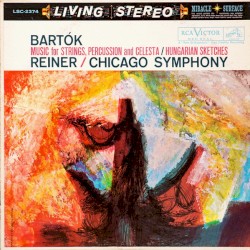 Music For Strings, Percussion And Celesta / Hungarian Sketches1960
- 1.Music for Strings, Percussion and Celesta: I. Andante tranquillo6:56
- 2.Music for Strings, Percussion and Celesta: II. Allegro6:55
- 3.Music for Strings, Percussion and Celesta: III. Adagio6:55
- 4.Music for Strings, Percussion and Celesta: IV. Allegro molto6:38
- 5.Hungarian Sketches, Sz. 97, BB 103: 1. An Evening At The Villlage2:42
- 6.Hungarian Sketches, Sz. 97, BB 103: 2. Bear Dance1:37
- 7.Hungarian Sketches, Sz. 97, BB 103: 3. Melody2:00
- 8.Hungarian Sketches, Sz. 97, BB 103: 4. Slightly Tipsy2:13
- 9.Hungarian Sketches, Sz. 97, BB 103: 5. Swineherd's Dance1:55
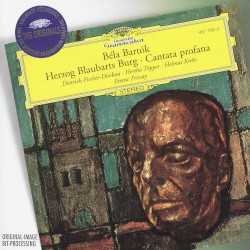 Herzog Blaubarts Burg / Cantata profana1959
- 1.1. Teil26:36
- 2.2. Teil27:13
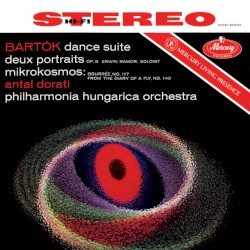 Dance Suite / 2 Portraits / Mikrokosmos1959
- 1.Dance Suite: Moderato3:36
- 2.Dance Suite: Allegro molto2:18
- 3.Dance Suite: Allegro vivace2:50
- 4.Dance Suite: Molto tranquillo3:12
- 5.Dance Suite: Comodo – Finale5:00
- 6.Two Portraits: Ideal10:22
- 7.Two Portraits: Distorted2:53
- 8.Mikrokosmos: Bourrée (no. 117, Book IV)1:57
- 9.Mikrokosmos: From the Diary of a Fly (no. 142, Book VI)2:17
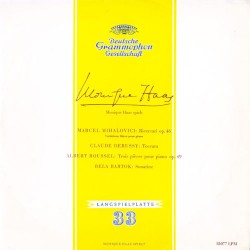 Mihalovici: Ricercari, op. 46 / Debussy: Tocata / Roussel: Trois pièces pour piano, op. 49 / Bartók: Sonatine1959
- 1.Ricercari, op. 46: 1. Poco lento (Tempo di passacaglia)3:56
- 2.Ricercari, op. 46: 2. Un poco più mosso1:08
- 3.Ricercari, op. 46: 3. Andante, non troppo1:14
- 4.Ricercari, op. 46: 4. Allegro ben ritmato1:14
- 5.Ricercari, op. 46: 5. Allegro giusto0:53
- 6.Ricercari, op. 46: 6. Lento sostenuto1:38
- 7.Ricercari, op. 46: 7. Leggiero, con moto2:15
- 8.Ricercari, op. 46: 8. Andantino1:52
- 9.Ricercari, op. 46: 9. Allegretto capriccioso, ma molto ritmato1:11
- 10.Ricercari, op. 46: 10. Molto vivace2:04
- 11.Ricercari, op. 46: 11. Grave, più tosto moderato4:59
- 12.Toccata3:57
- 13.Trois Pièces, op. 49: 1. Allegro con brio1:21
- 14.Trois Pièces, op. 49: 2. Allegro grazioso (Tempo di valse)1:35
- 15.Trois Pièces, op. 49: 3. Allegro con spirito4:45
- 16.Sonatine: 1. Bagpipe Players (Allegretto)1:25
- 17.Sonatine: 2. Dance of the Bear (Moderato)0:42
- 18.Sonatine: 3. Finale (Allegro vivace)1:49
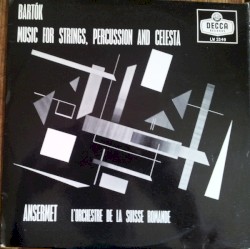 Music for Strings, Percussion and Celesta1959
- 1.Music for Strings, Percussion and Celesta: I. Andante tranquillo7:51
- 2.Music for Strings, Percussion and Celesta: II. Allegro7:41
- 3.Music for Strings, Percussion and Celesta: III. Adagio6:43
- 4.Music for Strings, Percussion and Celesta: IV. Allegro molto6:38
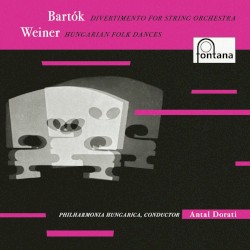 Bartók: Divertimento for Strings / Weiner: Hungarian Folk Dances1958
Tracklist not collected yet.
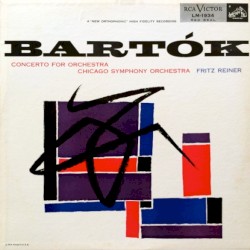 Concerto for Orchestra1958
Tracklist not collected yet.
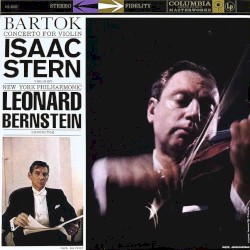 Concerto for Violin1958
- 1.Violin Concerto no.2: I. Allegro Non Troppo15:22
- 2.Violin Concerto no.2: II. Andante Tranquillo10:05
- 3.Violin Concerto no.2: III. Allegro Molto11:01
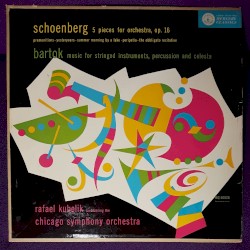 Schoenberg: 5 Pieces for Orchestra, op. 16 / Bartok: Music for Stringed Instruments, Percussion and Celesta1953
Tracklist not collected yet.
 Béla Bartók: Sonatas for violin and piano2025
Tracklist not collected yet.
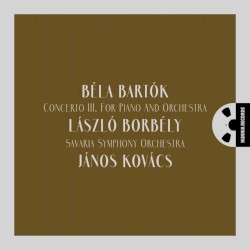 Piano Concerto no. 32023
Tracklist not collected yet.
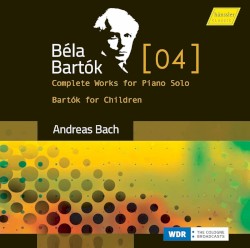 Complete Works for Piano Solo 04 / Bartók for Children2017
Tracklist not collected yet.
 Concerto For Orchestra / Music For Strings, Percussion And Celesta1991
Tracklist not collected yet.
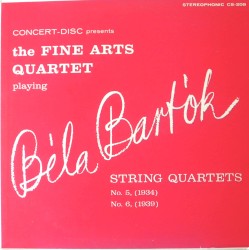 String Quartets No. 5, No. 61959
Tracklist not collected yet.
 A Kékszakállú Herceg Vára1957
Tracklist not collected yet.
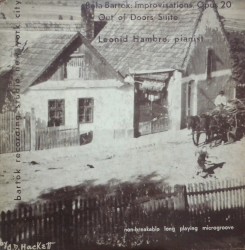 Improvisations, op. 20 / Out of Doors Suite1950
Tracklist not collected yet.
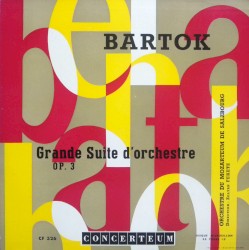 First Orchestra Suite
Tracklist not collected yet.
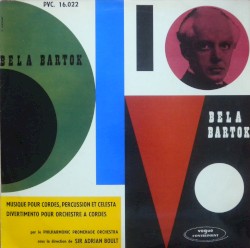 Music for String Instruments, Percussion, and Celesta / Divertimento for String Orchestra
Tracklist not collected yet.
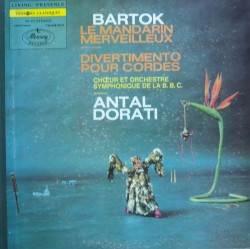 The Miraculous Mandarin / Divertimento for Strings
Tracklist not collected yet.
Gallery

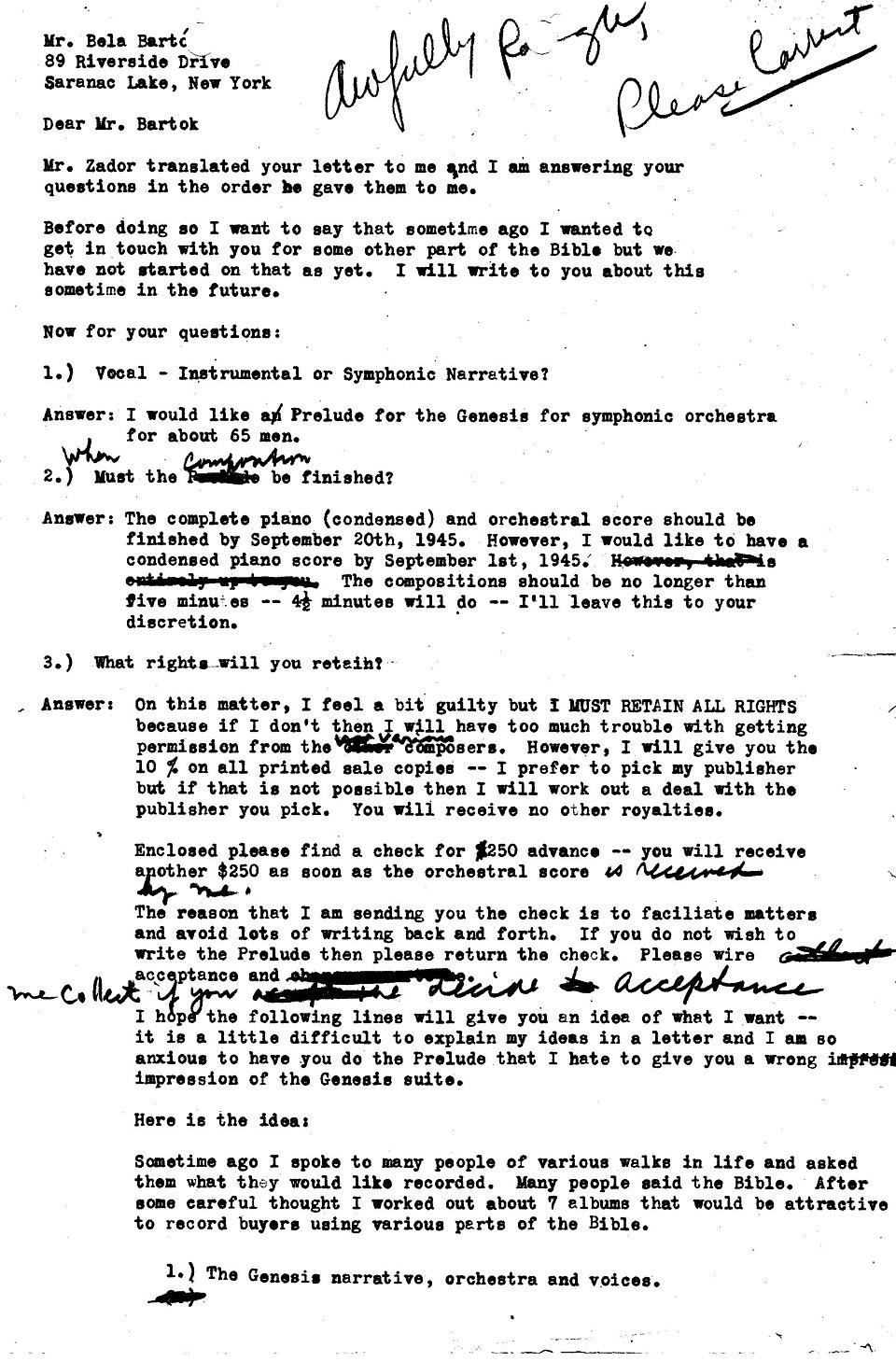


Achievements
- Award
- Kossuth Prize
- Award
- Grammy Trustees Award
- Award
- Knight of the Legion of Honour
- Award
- Honorary Member of the International Society for Contemporary Music
Similar artists


Archive
Passport
Identifiers & aliases
Also known as: B. Bartók, B.Bartok, Bartok, Bartok, Bela (1881-1945), Bartòk, Bartók
Béla Viktor János Bartók was a Hungarian composer, pianist and ethnomusicologist. He is considered one of the most important composers of the 20th century; he and Franz Liszt are regarded as Hungary's greatest composers. Among his notable works are the opera Bluebeard's Castle, the ballet The Miraculous Mandarin, Music for Strings, Percussion and Celesta, the Concerto for Orchestra and six string quartets. Through his collection and analytical study of folk music, he was one of the founders of comparative musicology, which later became known as ethnomusicology. Per Anthony Tommasini, Bartók "has empowered generations of subsequent composers to incorporate folk music and classical traditions from whatever culture into their works," and was "a formidable modernist who in the face of Schoenberg’s breathtaking formulations showed another way, forging a language that was an amalgam of tonality, unorthodox scales and atonal wanderings." His work is often described as being a combination of traditional peasants' folk music and avant-garde music.
All links
Opinions of fans — not verified facts.
…