
Bohuslav Martinů was a prominent Czech composer known for his modern classical music contributions from 1890 to 1959.
He was awarded the Guggenheim Fellowship, recognizing his significant contributions to music.
Martinů received the prestigious Rome Prize during his illustrious career.
Biography
Early Life
Bohuslav Jan Martinů was born on December 8, 1890, in an unusual setting—the tower of the St. Jakub Church in Polička, a town in Bohemia. His father, Ferdinand, was a shoemaker and the church sexton, which allowed the family to live in the tower. As a child, Martinů was often sickly and shy, but he excelled as a violinist, giving his first public concert in 1905. The townspeople supported his education, enabling him to attend the Prague Conservatory in 1906.
Career Development
While at the Prague Conservatory, Martinů struggled with the rigid structure of the curriculum, preferring to explore the vibrant music scene of Prague on his own. He developed a keen interest in modern French music and impressionism, which influenced his later works. In 1923, he left Czechoslovakia for Paris, where he distanced himself from the Romantic style of his training and began to experiment with modern stylistic developments. His compositions during the 1920s, such as "Half-time" and "La Bagarre," showcased his innovative approach, incorporating jazz idioms in works like the "Kitchen Revue."
Legacy
Martinů became a prolific composer, creating six symphonies, 15 operas, and numerous orchestral and chamber works. His contributions to classical music were recognized with several prestigious awards, including the Guggenheim Fellowship and the Rome Prize. He passed away on August 28, 1959, leaving behind a rich legacy that continues to influence contemporary classical music.
Collected from open sources (4) · facts link to sources · AI-processed
Discography
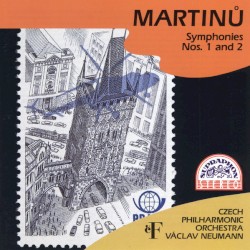 Symphonies Nos. 1 and 21989
Tracklist not collected yet.
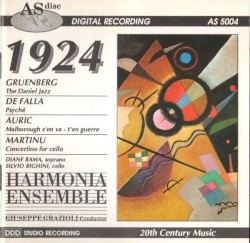 19241989
Tracklist not collected yet.
 Elmar Oliveira Plays Bach and Martinu1989
Tracklist not collected yet.
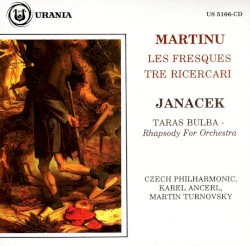 Martinů: Les Fresques / Tre ricercari / Janáček: Taras Bulba1989
Tracklist not collected yet.
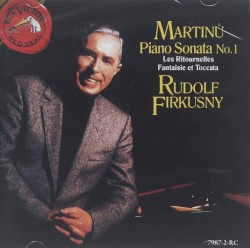 Piano Sonata no. 1 / Les Ritournelles / Fantaisie et Toccata1989
Tracklist not collected yet.
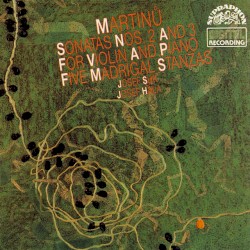 Sonatas nos. 2 and 3 for violin and piano / Five madrigal stanzas1989
Tracklist not collected yet.
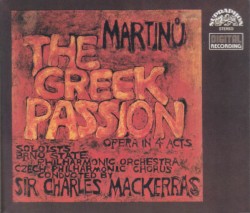 The Greek Passion1989
Tracklist not collected yet.
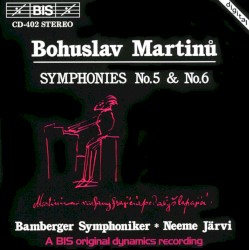 Symphonies no. 5 & no. 61988
Tracklist not collected yet.
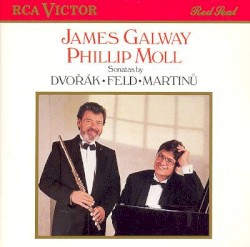 Sonatas1988
Tracklist not collected yet.
 5 Serenades1988
Tracklist not collected yet.
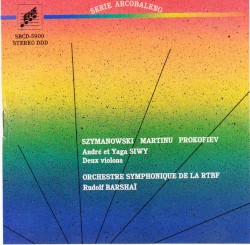 Deux violons1988
Tracklist not collected yet.
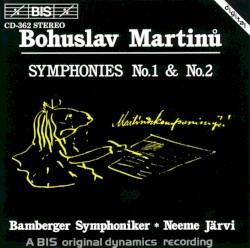 Symphonies no. 1 & no. 21987
Tracklist not collected yet.
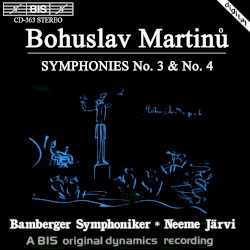 Symphonies no. 3 & no. 41987
Tracklist not collected yet.
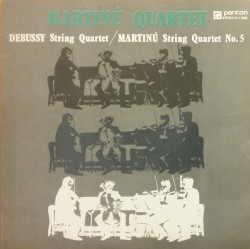 Debussy: String Quartet / Martinů: String Quartet no. 51987
Tracklist not collected yet.
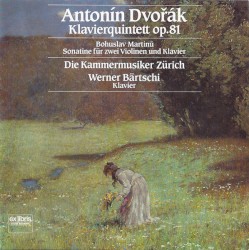 Dvořák: Klavierquintett, op. 81 / Martinů: Sonatine für zwei Violinen und Klavier1986
Tracklist not collected yet.
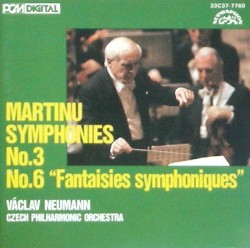 Symphonies: No. 3 / No. 6 "Fantaisies symphoniques"1986
Tracklist not collected yet.
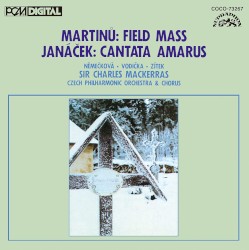 Martinů: Field Mass / Janacek: Cantata Amarus1985
Tracklist not collected yet.
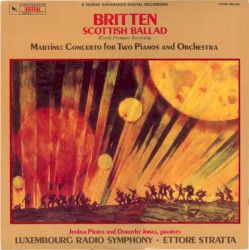 Britten: Scottish Balad / Martinů: Concerto for Two Pianos and Orchestra1981
Tracklist not collected yet.
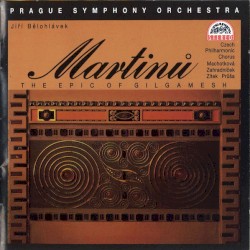 The Epic of Gilgamesh1976
Tracklist not collected yet.
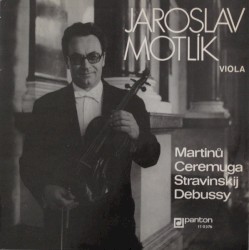 Martinů / Ceremuga / Stravinskij / Debussy1974
Tracklist not collected yet.
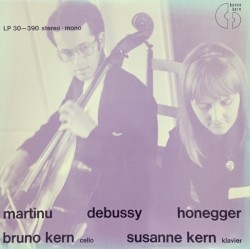 Martinu / Debussy / Honegger1973
Tracklist not collected yet.
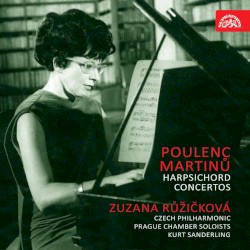 Harpsichord Concertos1967
Tracklist not collected yet.
 Martinů: Nonet / Folprecht: Concertino1961
Tracklist not collected yet.
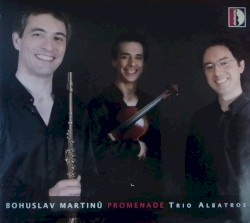 Promenade2011
Tracklist not collected yet.
 Concerto for Oboe and Small Orchestra
Tracklist not collected yet.
Gallery


Achievements
- Award
- Guggenheim Fellowship
- Award
- Order of Tomáš Garrigue Masaryk, 2nd class
- Award
- Rome Prize
Similar artists
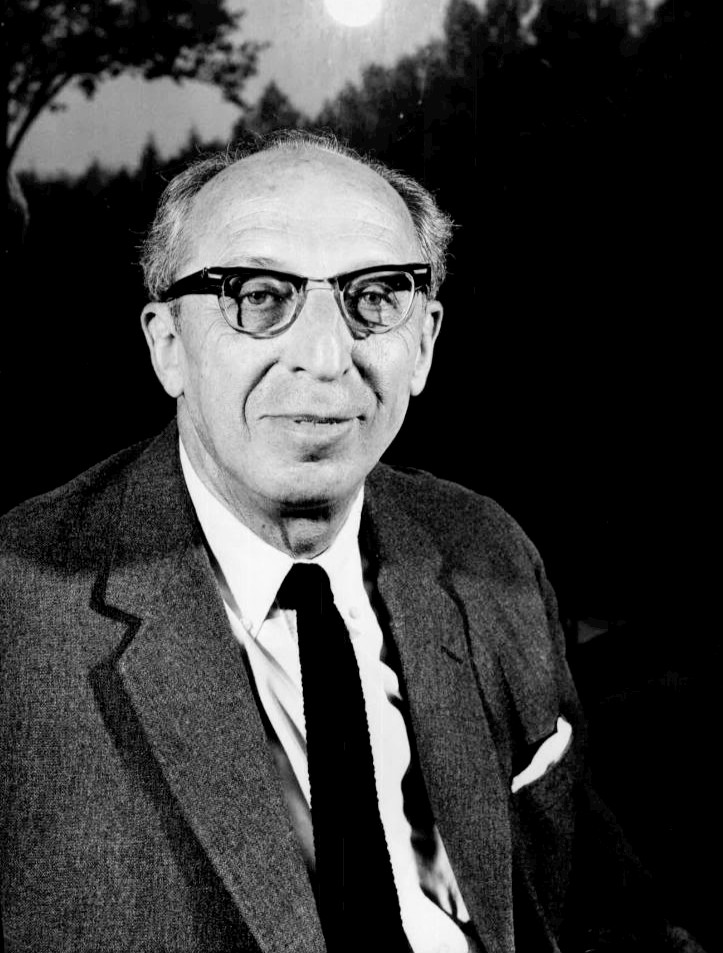


Archive
Passport
Identifiers & aliases
Bohuslav Jan Martinů was a Czech composer of modern classical music. He wrote 6 symphonies, 15 operas, 14 ballet scores, and a large body of orchestral, chamber, vocal, and instrumental works. He became a violinist in the Czech Philharmonic Orchestra, and briefly studied under Czech composer and violinist Josef Suk. After leaving Czechoslovakia in 1923 for Paris, Martinů deliberately withdrew from the Romantic style in which he had been trained. During the 1920s he experimented with modern French stylistic developments, exemplified by his orchestral works Half-time and La Bagarre. He also adopted jazz idioms, for instance in his Kitchen Revue.
All links
Opinions of fans — not verified facts.
…