
Gordon Parks was an influential American photographer, musician, writer, and filmmaker born in the U.S.
He was born on November 30, 1912, and became a prominent figure in U.S. documentary photojournalism from the 1940s to the 1970s.
Parks is best known for his iconic photographs of poor Americans and his work with Life magazine.
Biography
Early Life
Gordon Roger Alexander Buchanan Parks was born on November 30, 1912, in Fort Scott, Kansas, as the youngest of 15 children. His father, a farmer, struggled to provide for the family, and Parks faced significant challenges growing up in a segregated environment. After his mother passed away when he was just 14, he moved to St. Paul, Minnesota, to live with his sister. However, after conflicts with his brother-in-law, he found himself homeless at 15, taking on various jobs to survive, including working in brothels and as a musician.
Career
Parks's artistic journey began at the age of 28 when he purchased his first camera and taught himself photography. His work quickly gained recognition, leading to a fellowship with the Farm Security Administration, where he documented the struggles of African Americans. Parks became a prominent figure in documentary photojournalism, particularly noted for his powerful images that highlighted civil rights and poverty. He also ventured into filmmaking, directing iconic films such as "Shaft" and "The Learning Tree," which helped shape the blaxploitation genre and introduced the black action hero to mainstream cinema.
Personal Life
Throughout his life, Parks was married three times and had four children. His first marriage to Sally Alvis lasted over 25 years, followed by a brief marriage to Elizabeth Campbell. He later married Genevieve Young, but they divorced after six years. Parks maintained a close friendship with Young until his death in 2006. He was also in a long-term relationship with Gloria Vanderbilt. Parks's legacy includes his children, one of whom, Gordon Parks Jr., tragically died in a plane crash in 1979.
Legacy
Parks's influence extends beyond photography and film; he is celebrated for his contributions to music as well. His photograph "1956 Alabama" graces the cover of Common's album "Like Water for Chocolate," and his work has inspired contemporary artists like Kendrick Lamar. Parks's ability to capture the essence of the African American experience has left an indelible mark on American culture, making him a revered figure in multiple artistic domains.
Collected from open sources (4) · facts link to sources · AI-processed
Discography
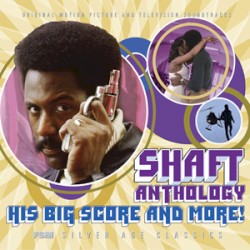 Shaft Anthology: His Big Score and More!2008
Tracklist not collected yet.
 Half Past Autumn Suite2003
Tracklist not collected yet.
 Shaft's Big Score!1972
Tracklist not collected yet.
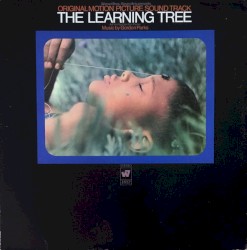 The Learning Tree1969
Tracklist not collected yet.
Gallery


Achievements
- Award
- Spingarn Medal
- Award
- National Medal of Arts
- Award
- Library of Congress Living Legend
- Award
- Anisfield-Wolf Book Awards
- Award
- National Association of Black Journalists Hall of Fame
- Award
- Lucie Award
- Award
- Black Filmmakers Hall of Fame
- Award
- Paul Robeson Award
Similar artists


Archive
Passport
Identifiers & aliases
Also known as: Gordon Roger Alexander Buchanan Parks
American photographer, musician, writer and film director (1912–2006)
Gordon Roger Alexander Buchanan Parks was an American photographer, composer, author, poet, and filmmaker, who became prominent in U.S. documentary photojournalism in the 1940s through 1970s—particularly in issues of civil rights, poverty and African Americans—and in glamour photography. He is best remembered for his iconic photos of poor Americans during the 1940s, for his photographic essays for Life magazine, and as the director of the films Shaft, Shaft's Big Score, and the semiautobiographical The Learning Tree.
All links
Opinions of fans — not verified facts.
…