
Hans von Bülow was a prominent German conductor and composer of the Romantic era.
He was born and spent much of his life in Germany.
Bülow was born on January 8, 1830, marking the beginning of a significant musical career.
Biography
Early Life
Freiherr Hans Guido von Bülow was born on January 8, 1830, in Dresden, Germany, into the prominent House of Bülow. His father, Karl Eduard von Bülow, was a novelist, and his mother, Franziska Elisabeth Stoll von Berneck, encouraged his early musical education. From the age of nine, he studied under Professor Friedrich Wieck, the father of Clara Schumann. Despite his passion for music, his parents insisted he pursue a law degree, leading him to Leipzig, where he eventually met the influential composer Franz Liszt.
Career
Bülow's career in music began to flourish after he attended the premiere of Richard Wagner's "Lohengrin" in 1850, which inspired him to abandon law for music. He studied piano with Louis Plaidy and secured his first conducting position in Zürich, thanks to Wagner's recommendation. Known for his acerbic personality, Bülow was dismissed from his Zurich post but gained recognition for his ability to conduct complex works without a score. In 1857, he premiered Liszt's Piano Sonata in B minor in Berlin and married Liszt's daughter, Cosima, with whom he had two daughters. Bülow's most significant role came in 1864 when he became the Hofkapellmeister in Munich, where he achieved considerable acclaim.
Legacy
Hans von Bülow is remembered as one of the most distinguished conductors of the 19th century, playing a crucial role in the success of composers like Wagner and Brahms. His interpretations of Beethoven's works were particularly noted, and he was among the first European musicians to tour the United States. Bülow's contributions to classical music and his influence on future generations of musicians solidified his place in music history. He passed away on February 12, 1894, leaving behind a rich legacy in the world of classical music.
Collected from open sources (4) · facts link to sources · AI-processed
Discography
 Piano Music2011
Tracklist not collected yet.
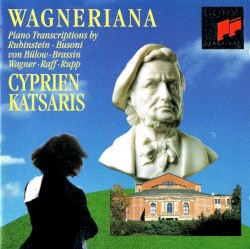 Wagneriana: Piano Transcriptions1995
Tracklist not collected yet.
Gallery


Achievements
- Award
- Royal Philharmonic Society Gold Medal
Similar artists

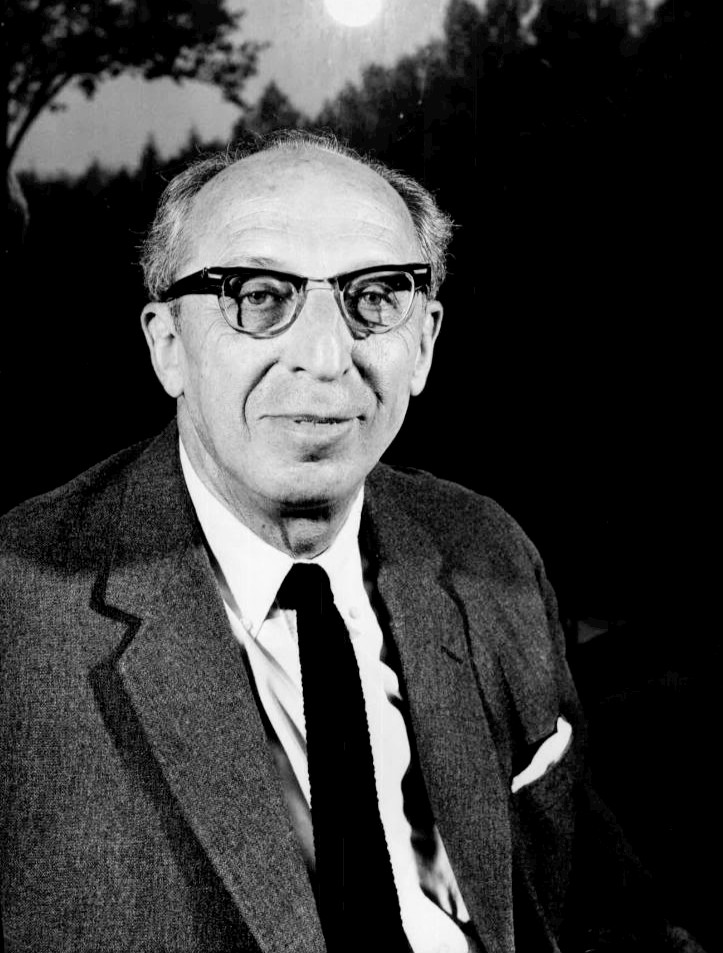


Archive
Passport
Identifiers & aliases
Freiherr Hans Guido von Bülow was a German conductor, pianist, and composer of the Romantic era. As one of the most distinguished conductors of the 19th century, his activity was critical for establishing the successes of several major composers of the time, especially Richard Wagner and Johannes Brahms. Alongside Carl Tausig, Bülow was perhaps the most prominent of the early students of the Hungarian composer, pianist and conductor Franz Liszt; he gave the first public performance of Liszt's Sonata in B minor in 1857. He became acquainted with, fell in love with and eventually married Liszt's daughter Cosima, who later left him for Wagner. Noted for his interpretation of the works of Ludwig van Beethoven, he was one of the earliest European musicians to tour the United States.
All links
Opinions of fans — not verified facts.
…