
Hugh Masekela is often referred to as the "father of South African jazz."
He achieved a number-one US pop hit in 1968 with the song "Grazing in the Grass," which sold four million copies.
Masekela's first trumpet was a gift from Archbishop Trevor Huddleston, who recognized his musical talent at a young age.
Biography
Early Life
Hugh Ramapolo Masekela was born on April 4, 1939, in Witbank, South Africa, to Thomas Selema Masekela, a health inspector and sculptor, and Pauline Bowers Masekela, a social worker. Raised primarily by his grandmother, who ran an illegal bar for miners, Masekela was introduced to music at a young age. His passion for the trumpet ignited at 14 after watching the film "Young Man with a Horn," leading to his first trumpet, a gift from Archbishop Trevor Huddleston. Masekela quickly mastered the instrument and formed the Huddleston Jazz Band, South Africa's first youth orchestra, which caught the attention of jazz legend Louis Armstrong.
Career
Masekela's career took off in 1959 when he co-founded the Jazz Epistles, the first African jazz group to record an LP. Following the Sharpeville massacre in 1960, he left South Africa due to the oppressive apartheid regime and studied at the Guildhall School of Music in London and later at the Manhattan School of Music in New York. Masekela achieved international fame with hits like "Grazing in the Grass," which topped the US charts in 1968. He was known for his powerful anti-apartheid songs, including "Soweto Blues" and "Bring Him Back Home," and became a prominent figure in the global jazz scene.
Personal Life and Legacy
Masekela was married to singer Miriam Makeba from 1964 to 1966 and had several other relationships, including with Chris Calloway and Jabu Mbatha. He was the father of television host Selema Masekela and had a younger sister, Barbara, who is a poet and activist. Masekela passed away on January 23, 2018, from prostate cancer. His legacy continues to inspire, as evidenced by a Google Doodle celebrating his 80th birthday in 2019 and the opening of a nightclub named "Hugh's" in Johannesburg in 2026, dedicated to his memory.
Collected from open sources (4) · facts link to sources · AI-processed
Discography
 Black to the Future1997
Tracklist not collected yet.
 Home1996
Tracklist not collected yet.
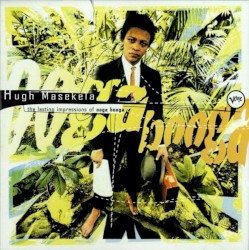 The Lasting Impressions of Ooga Booga1996
Tracklist not collected yet.
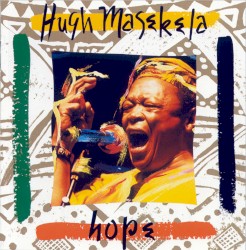 Hope1994
Tracklist not collected yet.
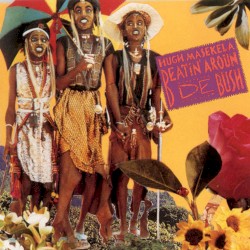 Beatin’ Aroun de Bush1992
Tracklist not collected yet.
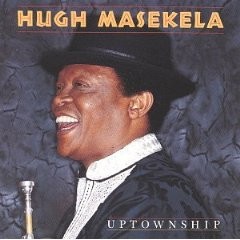 Uptownship1989
Tracklist not collected yet.
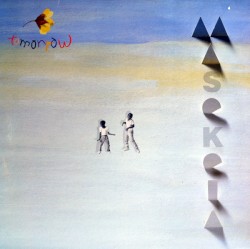 Tomorrow1987
Tracklist not collected yet.
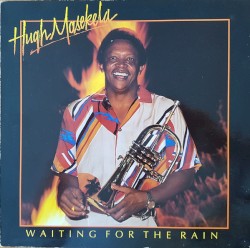 Waiting for the Rain1985
Tracklist not collected yet.
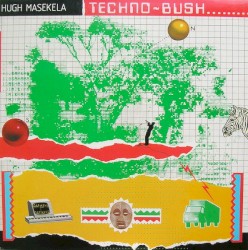 Techno‐Bush1984
Tracklist not collected yet.
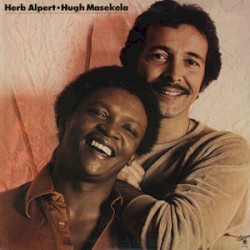 Herb Alpert / Hugh Masekela1978
Tracklist not collected yet.
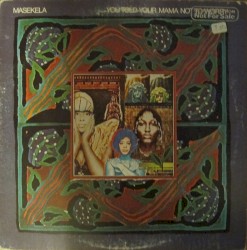 You Told Your Mama Not to Worry1977
Tracklist not collected yet.
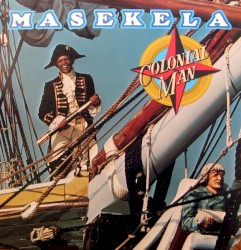 Colonial Man1976
Tracklist not collected yet.
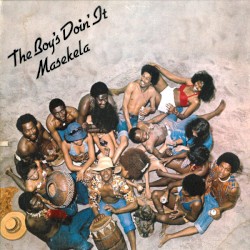 The Boy's Doin' It1975
Tracklist not collected yet.
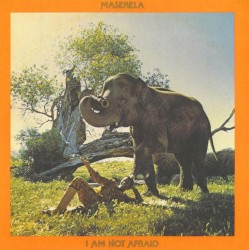 I Am Not Afraid1974
Tracklist not collected yet.
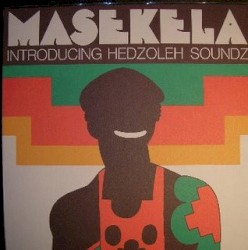 Introducing Hedzoleh Soundz1973
Tracklist not collected yet.
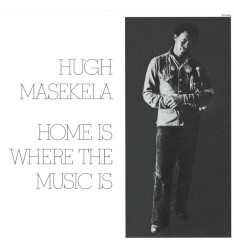 Home Is Where the Music Is / The African Connection1972
Tracklist not collected yet.
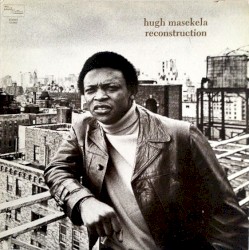 Reconstruction1970
Tracklist not collected yet.
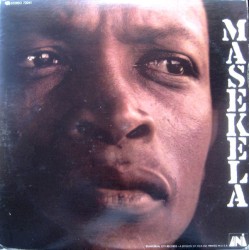 Masekela1969
Tracklist not collected yet.
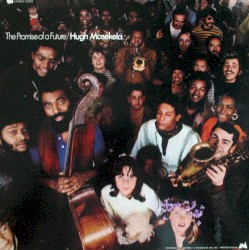 The Promise of a Future1968
Tracklist not collected yet.
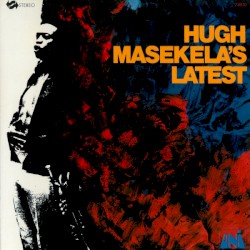 Hugh Masekela’s Latest1967
Tracklist not collected yet.
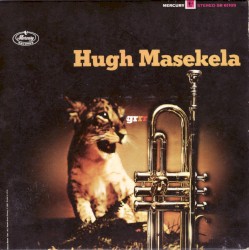 Grrr1966
Tracklist not collected yet.
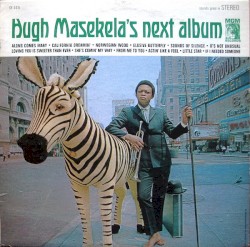 Hugh Masekela's Next Album1966
Tracklist not collected yet.
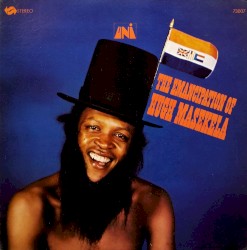 The Emancipation of Hugh Masekala1966
Tracklist not collected yet.
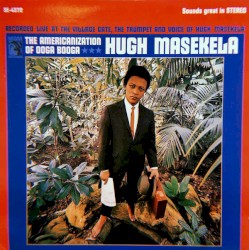 The Americanization of Ooga Booga1965
Tracklist not collected yet.
 Trumpet Africaine1962
Tracklist not collected yet.
Gallery


Label
- Record label
- Mercury Records
Achievements
- Award
- Etnosur award
- Award
- Ghana Music Awards
- Award
- Channel O Music Video Awards
- Award
- Order of Ikhamanga in Gold
Groups
- Hugh Masekela & The Union of South Africacurrent
- Umoja Singers Choralecurrent
Similar artists


Archive
Passport
Identifiers & aliases
Also known as: Hugh Masakela, Hugh Maskela, Hugh Ramapolo Masekela
Hugh Ramapolo Masekela was a South African trumpeter, flugelhornist, cornetist, singer and composer who was described as "the father of South African jazz". Masekela was known for his jazz compositions and for writing well-known anti-apartheid songs such as "Soweto Blues" and "Bring Him Back Home". He also had a number-one US pop hit in 1968 with the song "Grazing in the Grass", which was later covered by various other artists.
All links
Opinions of fans — not verified facts.
…