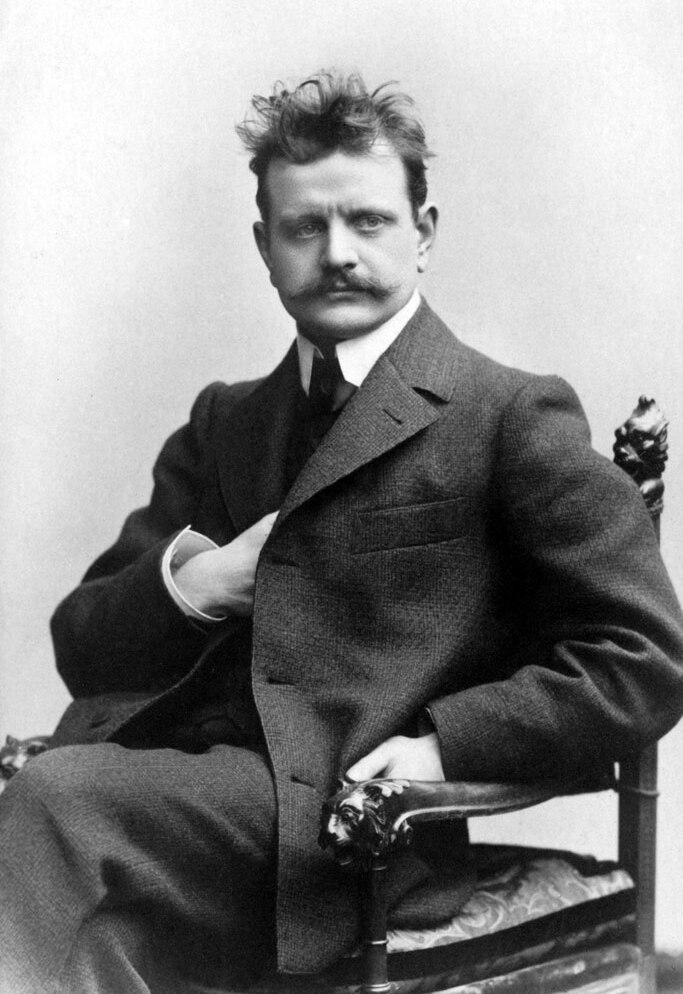
Jean Sibelius is widely regarded as Finland's greatest composer, known for his significant contributions to classical music.
Sibelius's music is credited with helping Finland develop a stronger national identity during the late 19th century.
He was born into a musical family, with his uncle playing a pivotal role in his early musical education.
Biography
Early Life
Jean Sibelius was born on December 8, 1865, in Hämeenlinna, Finland, then part of the Grand Duchy of Finland under the Russian Empire. He was the son of Christian Gustaf Sibelius, a medical doctor, and Maria Charlotta Sibelius. After his father's untimely death in 1868, Sibelius's family faced financial difficulties, leading them to move in with his maternal grandmother. Growing up in a predominantly female household, Sibelius found a male role model in his uncle, Pehr Ferdinand Sibelius, who nurtured his musical talents by gifting him a violin at the age of ten.
Career
Sibelius's career as a composer flourished in the late Romantic and early modern periods, and he is celebrated as Finland's greatest composer. His music played a crucial role in shaping Finnish national identity during a time of cultural oppression. Notable works include his symphonies, such as Symphony No. 5 and Symphony No. 7, as well as the iconic piece "Finlandia." His compositions are characterized by their rich orchestration and deep connection to nature, reflecting his love for the Finnish landscape.
Legacy
Sibelius's influence extends beyond his lifetime; he is remembered through various honors and memorials, including the International Jean Sibelius Violin Competition and the Sibelius Monument in Helsinki. His birthday, December 8, is celebrated as the "Day of Finnish Music." The complete edition of his works is currently being prepared, ensuring that his contributions to classical music will be preserved for future generations. Sibelius passed away on September 20, 1957, leaving behind a profound legacy in the world of music.
Collected from open sources (4) · facts link to sources · AI-processed
Discography
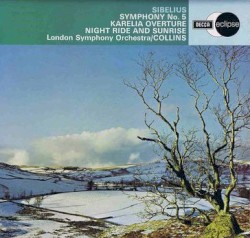 Symphony no. 5 / Karelia Overture / Night Ride and Sunrise1971
- 1.Symphony no. 5 in E-flat major, op. 8229:28
- 2.Karelia Overture, op. 106:49
- 3.Night Ride and Sunrise, op. 5514:16
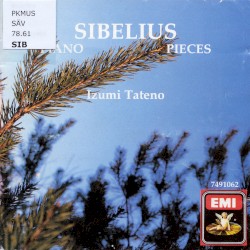 Piano Pieces1971
- 1.Romance, op. 24/94:08
- 2.When the Mountain-ash Is in Flower, op. 75/11:51
- 3.The Lonesly Fir, op. 75/22:39
- 4.The Aspen, op. 75/32:37
- 5.The Birch, op. 75/41:31
- 6.The Spruce, op. 75/53:03
- 7.Waltz, op. 34/12:03
- 8.Air de dance, op. 34/20:56
- 9.Mazurka, op. 34/31:27
- 10.Rondoletto, op. 40/71:29
- 11.Impromptu V, op. 5/33:49
- 12.Caprice, op. 24/32:58
- 13.Sonatine No. 1, op. 67/16:29
- 14.Sonatine No. 2, op. 67/25:32
- 15.Rondino No. 1, op. 68/12:48
- 16.Rondino No. 2, op. 68/21:56
- 17.The Irise, op. 85/32:59
- 18.The Twinflower of the North, op. 76/112:25
- 19.The Snapdragon, op. 85/42:05
- 20.The Campanula, opl 85/52:03
- 21.The Village Church, op. 103/12:38
- 22.Scéne romantique, op. 101/53:07
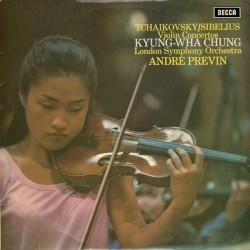 Violin Concertos1970
- 1.Violin Concerto in D minor, op. 47: 1. Allegro moderato
- 2.Violin Concerto in D minor, op. 47: 2. Adagio di molto
- 3.Violin Concerto in D minor, op. 47: 3. Allegro, ma non tanto
- 4.Violin Concerto in D major, op. 35: 1. Allegro moderato
- 5.Violin Concerto in D major, op. 35: 2. Canzonetta (Andante)
- 6.Violin Concerto in D major, op. 35: 3. Finale (Allegro vivacissimo)
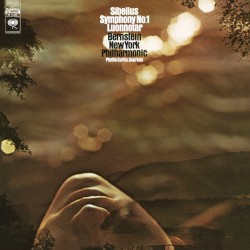 Symphony no. 1 / Luonnotar1970
- 1.Symphony no. 1 in E minor, op. 39: Andante ma non troppo - Allegro energico10:21
- 2.Symphony no. 1 in E minor, op. 39: Andante9:12
- 3.Symphony no. 1 in E minor, op. 39: Scherzo: Allegro5:00
- 4.Symphony no. 1 in E minor, op. 39: Finale: Quasi una fantasia11:53
- 5.Luonnotar, op. 708:03
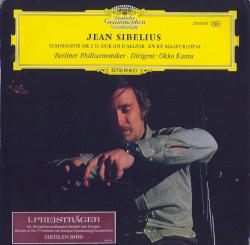 Symphonie Nr. 2 D-Dur, op. 431970
- 1.Symphonie Nr. 2 D-dur, Op. 43: I. Allegretto9:34
- 2.Symphonie Nr. 2 D-dur, Op. 43: II. Tempo Andante, Ma Rubato15:38
- 3.Symphonie Nr. 2 D-dur, Op. 43: III. Vivacissimo6:36
- 4.Symphonie Nr. 2 D-dur, Op. 43: IV. Finale: Allegro Moderato15:30
 Symphonies 4 / Tapiola1968
- 1.Symphony no. 4 in A minor, op. 63: I. Tempo molto moderato, quasi adagio10:17
- 2.Symphony no. 4 in A minor, op. 63: II. Allegro molto vivace4:07
- 3.Symphony no. 4 in A minor, op. 63: III. Il tempo largo9:07
- 4.Symphony no. 4 in A minor, op. 63: IV. Allegro9:14
- 5.Tapiola, op. 11219:09
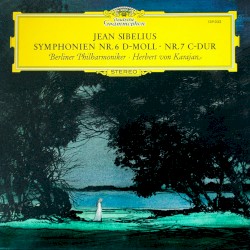 Symphonien Nr. 6 d-moll / Nr. 7 C-dur1968
- 1.Symphonie Nr. 6 d-moll op. 104: 1. Satz: Allegro molto moderato9:17
- 2.Symphonie Nr. 6 d-moll op. 104: 2. Satz: Allegretto moderato6:19
- 3.Symphonie Nr. 6 d-moll op. 104: 3. Satz: Poco vivace3:30
- 4.Symphonie Nr. 6 d-moll op. 104: 4. Satz: Allegro molto9:50
- 5.Symphonie Nr. 7 C-dur op. 105 (in einem satz)23:26
 Symphony no. 7 / Finlandia / Love Suite1968
- 1.Symphony no. 7 in C major, op. 105
- 2.Finlandia, Symphonic Poem, op. 26 no. 7
- 3.Love Suite, op. 14: 1. Lover
- 4.Love Suite, op. 14: 2. Way of Lover
- 5.Love Suite, op. 14: 3. Good Evening... Farewell
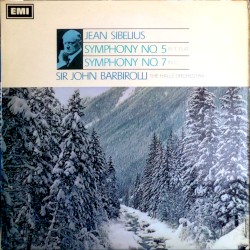 Symphony no. 5 & no. 71967
- 1.Symphony no. 5 in E-flat major, op. 82: I. Tempo molto moderato – Allegro moderato – Presto
- 2.Symphony no. 5 in E-flat major, op. 82: II. Andate mosso, quasi allegretto
- 3.Symphony no. 5 in E-flat major, op. 82: III. Allegro molto
- 4.Symphony no. 7 in C major, op. 105
 Symphony no. 2 in D1966
- 1.Symphony no. 2 in D major, op. 43: 1st Movement: Allegretto
- 2.Symphony no. 2 in D major, op. 43: 2nd Movement: Tempo andante, ma rubato
- 3.Symphony no. 2 in D major, op. 43: 3rd Movement: Vivacissimo
- 4.Symphony no. 2 in D major, op. 43: 4th Movement: Finale (Allegro moderato)
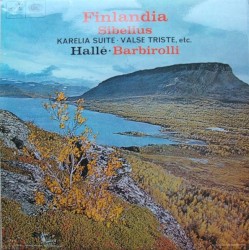 Finlandia / Karelia Suite / Valse Triste1966
- 1.Symphonic Poem "Finlandia", op. 26
- 2.Karelia Suite, op. 11: Intermezzo
- 3.Karelia Suite, op. 11: Ballade
- 4.Karelia Suite, op. 11: Alla Marcia
- 5.Symphonic Fantasy "Pohjola's Daughter". op. 49
- 6.Valse Triste, op. 44
- 7.Lemminkäinen's Return
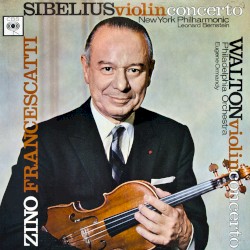 Violin Concertos1965
Tracklist not collected yet.
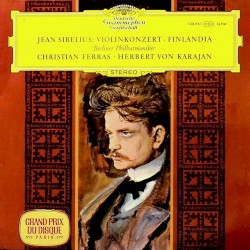 Violinkonzert / Finlandia1965
- 1.Konzert für Violine und Orchester d-moll, op. 47: I. Allegro moderato16:15
- 2.Konzert für Violine und Orchester d-moll, op. 47: II. Adagio di molto9:04
- 3.Konzert für Violine und Orchester d-moll, op. 47: III. Allegretto, ma non tanto8:16
- 4.Finlandia, op. 26: Andante sostenuto - Allegro moderato - Allegro9:27
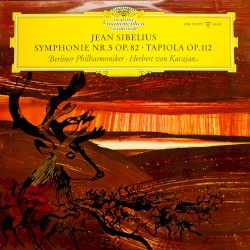 Symphonie Nr. 5, op. 82 / Tapiola, op. 1121964
Tracklist not collected yet.
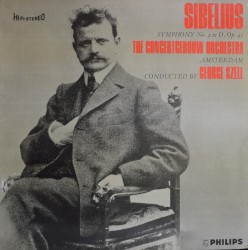 Symphony no. 21964
Tracklist not collected yet.
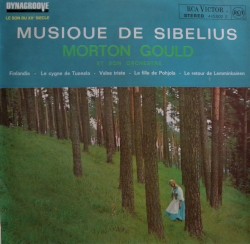 Finlandia: Music of Sibelius1963
Tracklist not collected yet.
 Symphony no. 1 in E minor1962
Tracklist not collected yet.
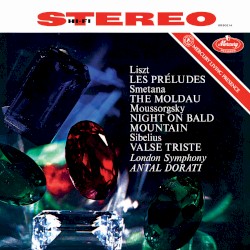 Liszt: Les Préludes / Smetana: The Moldau / Moussorgsky: Night on Bald Mountain / Sibelius: Valse triste1961
Tracklist not collected yet.
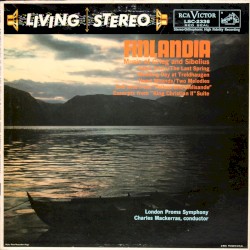 Finlandia: Music of Grieg and Sibelius1959
Tracklist not collected yet.
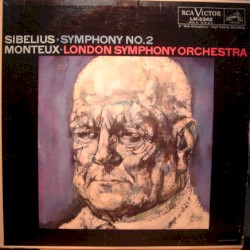 Symphony no. 21959
Tracklist not collected yet.
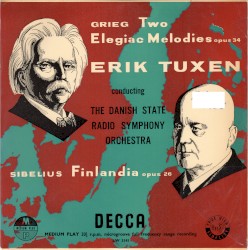 Grieg: Two Elegiac Melodies, op. 34 / Sibelius: Finlandia, op. 261956
Tracklist not collected yet.
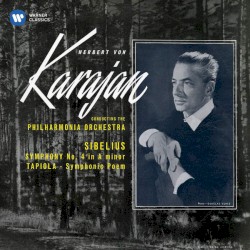 Symphony no. 4 in A minor / Tapiola1954
Tracklist not collected yet.
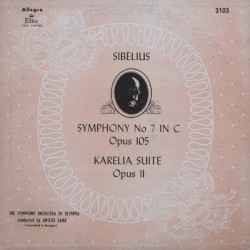 Symphony no. 7 in C, op. 105 / Karelia Suite, op. 111953
Tracklist not collected yet.
 Sibelius: Finlandia / The Swan of Tuonela / Rachmaninoff: Prelude in C-sharp minor / Prelude in G major / Prelude in G minor1950
Tracklist not collected yet.
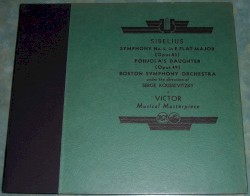 Symphony no. 5 in E-flat major / Pohjola's Daughter1938
Tracklist not collected yet.
Gallery


Achievements
- Award
- Grand Cross of the Order of the White Rose of Finland
- Award
- Wihuri Sibelius Prize
- Award
- Royal Philharmonic Society Gold Medal
- Award
- Finnish Music Hall of Fame
- Award
- Goethe Medal for Art and Science
- Award
- commander of the Order of the Dannebrog
- Award
- Commander First Class of the Order of the White Rose of Finland
- Award
- Commander 1st class of the Order of Vasa
- Award
- Commander of the Order of St. Olav
- Award
- Grand Cross of the Order of the Dannebrog
- Award
- Grand Officer of the Legion of Honour
- Award
- Knight grand cross of the order of the crown of Italy
- Award
- Honorary Member of the International Society for Contemporary Music
Similar artists


Archive
Passport
Identifiers & aliases
Also known as: J. Sibelius, Jan Sibelius, Jean Sibelious, Jean Sibelius (1865-1957), Jean Sibelus, Jean Siebelius
Jean Sibelius was a Finnish composer of the late Romantic and early modern periods. He is widely regarded as his country's greatest composer, and his music is often credited with having helped Finland develop a stronger national identity when the country was struggling from several attempts at Russification in the late 19th century.
All links
Opinions of fans — not verified facts.
…