
Johann Sebastian Bach
Musician · Germany · 1685–1750
Johann Sebastian Bach was a prominent German composer of the late Baroque period, known for his extensive and diverse musical output.
Bach was born on March 21, 1685, in Eisenach, Germany, into a family with a long tradition of musicianship.
Bach was a devout Lutheran, and his faith significantly influenced his compositions and musical style.
Biography
Early Life
Johann Sebastian Bach was born on March 21, 1685, in Eisenach, Germany, into a family with a rich musical heritage. He was the youngest of eight children in the Bach family, which had produced several generations of musicians. His father, Johann Ambrosius Bach, was the director of town musicians, and it is believed he taught Johann the violin. After the death of both his parents by the time he was ten, Bach moved in with his eldest brother, Johann Christoph, who was an organist. This period marked the beginning of his formal musical education, where he studied and performed music, laying the foundation for his illustrious career.
Career
Bach's professional journey began in 1703 when he was appointed as a court musician in the chapel of Duke Johann Ernst III of Saxe-Weimar. His reputation as a skilled keyboardist quickly grew, leading to his appointment as the organist at the New Church in Arnstadt. Throughout his career, Bach held various positions, including organist and composer, and he became known for his mastery of counterpoint and his prolific output across multiple genres. His works include the Brandenburg Concertos, the Cello Suites, and the Goldberg Variations, showcasing his versatility and innovation in music.
Legacy
Despite being relatively unknown during his lifetime, Bach's music gained significant recognition in the 19th century, particularly after Felix Mendelssohn's performance of the St. Matthew Passion in 1829. Today, he is celebrated as one of the greatest composers in Western music history, with his compositions continuing to influence musicians and composers worldwide. The BACH motif, which he used in his works, has become a symbol of his enduring legacy, celebrated in numerous tributes since the 19th century.
Collected from open sources (4) · facts link to sources · AI-processed
Discography
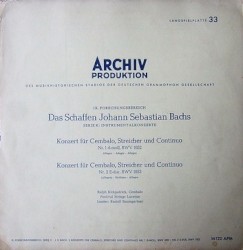 Konzert für Cembalo, Streicher und Continuo Nr. 1 d‐moll, BWV 1052 / Konzert für Cembalo, Streicher und Continuo Nr. 2 E‐dur, BWV 10531959
- 1.Konzert für Streicher, Cembalo und Continuo Nr. 1 d‐moll, BWV 1052: 1. Allegro
- 2.Konzert für Streicher, Cembalo und Continuo Nr. 1 d‐moll, BWV 1052: 2. Adagio
- 3.Konzert für Streicher, Cembalo und Continuo Nr. 1 d‐moll, BWV 1052: 3. Allegro
- 4.Konzert für Streicher, Cembalo und Continuo Nr. 2 E‐dur, BWV 1053: 1. Allegro
- 5.Konzert für Streicher, Cembalo und Continuo Nr. 2 E‐dur, BWV 1053: 2. Siciliano
- 6.Konzert für Streicher, Cembalo und Continuo Nr. 2 E‐dur, BWV 1053: 3. Allegro
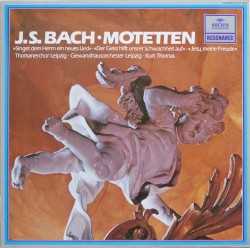 Motetten1959
- 1.Singet dem Herrn ein neues Lied. Mottete für zwei Chöre zu je vier Stimmen, BWV 225: 1. Singet dem Herrn6:06
- 2.Singet dem Herrn ein neues Lied. Mottete für zwei Chöre zu je vier Stimmen, BWV 225: 2. Wie sich ein Vat'r erbarmet5:02
- 3.Singet dem Herrn ein neues Lied. Mottete für zwei Chöre zu je vier Stimmen, BWV 225: 3. Lobet den Herrn4:24
- 4.Der Geist hilft unser Schwachheit auf. Mottete für zwei Chöre zu je vier Stimmen, BWV 226: 1. Der Geist hilft4:18
- 5.Der Geist hilft unser Schwachheit auf. Mottete für zwei Chöre zu je vier Stimmen, BWV 226: 2. Der aber die Herzen forschet2:38
- 6.Der Geist hilft unser Schwachheit auf. Mottete für zwei Chöre zu je vier Stimmen, BWV 226: 3. Choral: Du heilige Brunst1:34
- 7.Jesu, meine Freude. Mottete für fünfstimmigen Chor, BWV 227: 1. Choral: Jesu meine Freude1:10
- 8.Jesu, meine Freude. Mottete für fünfstimmigen Chor, BWV 227: 2. Es ist nun nichts3:19
- 9.Jesu, meine Freude. Mottete für fünfstimmigen Chor, BWV 227: 3. Vers 2: Unter deinen Schirmen1:12
- 10.Jesu, meine Freude. Mottete für fünfstimmigen Chor, BWV 227: 4. Denn das Gesetz des Geistes1:02
- 11.Jesu, meine Freude. Mottete für fünfstimmigen Chor, BWV 227: 5. Vers 3: Trotz dem alten Drachen2:35
- 12.Jesu, meine Freude. Mottete für fünfstimmigen Chor, BWV 227: 6. Ihr aber seid nicht fleischlich2:50
- 13.Jesu, meine Freude. Mottete für fünfstimmigen Chor, BWV 227: 7. Vers 4: Weg mit allen Schätzen1:07
- 14.Jesu, meine Freude. Mottete für fünfstimmigen Chor, BWV 227: 8. So aber Christus in euch ist2:25
- 15.Jesu, meine Freude. Mottete für fünfstimmigen Chor, BWV 227: 9. Vers 5: Gute Nacht, o Wesen3:58
- 16.Jesu, meine Freude. Mottete für fünfstimmigen Chor, BWV 227: 10. So nun der Geist1:42
- 17.Jesu, meine Freude. Mottete für fünfstimmigen Chor, BWV 227: 11. Vers 6: Weicht, ihr Trauergeister1:15
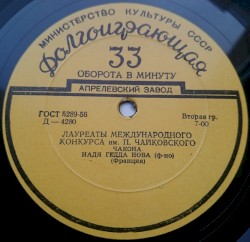 Бах/Бузони: Чакона / Моцарт: 12-я соната фа мажор1958
- 1.Чакона
- 2.12-я соната фа мажор: Алегро
- 3.12-я соната фа мажор: Адажио
- 4.12-я соната фа мажор: Алегро ассай
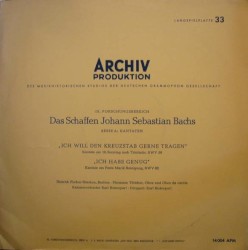 Ich Will Den Kreuzstab Gerne Tragen / Ich Habe Genug1958
- 1.Cantata “Ich Will Den Kreuzstab Gerne Tragen”, BWV 56: 1. Aria: “Ich Will Den Kreuzstab Gerne Tragen”8:38
- 2.Cantata “Ich Will Den Kreuzstab Gerne Tragen”, BWV 56: 2. Recitativo: “Mein Wandel Auf Der Welt”2:12
- 3.Cantata “Ich Will Den Kreuzstab Gerne Tragen”, BWV 56: 3. Aria: “Endlich, Endlich Wird Mein Joch”6:42
- 4.Cantata “Ich Will Den Kreuzstab Gerne Tragen”, BWV 56: 4. Recitativo: “Ich Stehe Fertig Und Bereit”1:56
- 5.Cantata “Ich Will Den Kreuzstab Gerne Tragen”, BWV 56: 5. Choral: “Komm, o Tod, Du Schlafes Bruder”1:49
- 6.Cantata “Ich Habe Genug” BWV 82” 1. Aria: Ich Habe Genug, Ich Habe Den Heiland7:27
- 7.Cantata “Ich Habe Genug” BWV 82: 2. Recitativo: Ich Habe Genug! Mein Trost Ist Nur Allein1:27
- 8.Cantata “Ich Habe Genug” BWV 82: 3. Aria: Schlummert Ein, Ihr Matten Augen7:19
- 9.Cantata “Ich Habe Genug” BWV 82: 4. Recitativo: Mein Gott! Wann Kommt Das Schöne Nun!0:59
- 10.Cantata “Ich Habe Genug” BWV 82: 5. Aria: Ich Freue Mich Auf Meinen Tod3:52
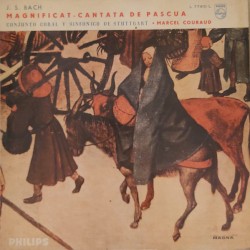 Magnificat / Cantate de Pâques1958
- 1.Magnificat: Magnificat Anima Mea
- 2.Magnificat: Et Exultavit
- 3.Magnificat: Quia Respexit
- 4.Magnificat: Omnes Generationes
- 5.Magnificat: Quia Fecit Mihi Magna
- 6.Magnificat: Et Misericordia
- 7.Magnificat: Fecit Potentiam
- 8.Magnificat: Deposuit Potentes
- 9.Magnificat: Esurientes
- 10.Magnificat: Suscepit Israel
- 11.Magnificat: Gloria
- 12.Cantate No 31 "De Paques" "Der Himmel Lacht, Die Erde Jubilieret": Sonata - Choeur: "Der Himmel Lacht"
- 13.Cantate No 31 "De Paques" "Der Himmel Lacht, Die Erde Jubilieret": Récitatif: "Erwünschet Tag"
- 14.Cantate No 31 "De Paques" "Der Himmel Lacht, Die Erde Jubilieret": Aria: "Fürst Des Lebens"
- 15.Cantate No 31 "De Paques" "Der Himmel Lacht, Die Erde Jubilieret": Récitatif: "So Stehe Denn"
- 16.Cantate No 31 "De Paques" "Der Himmel Lacht, Die Erde Jubilieret": Aria: "Adam Muss In Uns Verwesen"
- 17.Cantate No 31 "De Paques" "Der Himmel Lacht, Die Erde Jubilieret": Récitatif: "Weil Dann Das Haupt"
- 18.Cantate No 31 "De Paques" "Der Himmel Lacht, Die Erde Jubilieret": Aria: " Letzte Stunde, Brich Herein"
- 19.Cantate No 31 "De Paques" "Der Himmel Lacht, Die Erde Jubilieret": Choeur: "So Fahr Ich Hin"
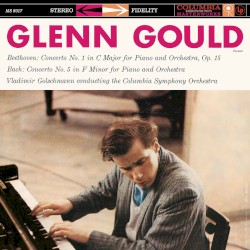 Beethoven: Piano Concerto no. 1 in C major, op. 15 / Bach: Keyboard Concerto no. 5 in F minor1958
- 1.Piano Concerto no. 1 in C major, op. 15: I. Allegro con brio (cadenza by Glenn Gould)12:57
- 2.Piano Concerto no. 1 in C major, op. 15: II. Largo12:17
- 3.Piano Concerto no. 1 in C major, op. 15: III. Rondo: Allegro scherzando (cadenza by Glenn Gould)9:04
- 4.Keyboard Concerto no. 5 in F minor, BWV 1056: I. Allegro3:39
- 5.Keyboard Concerto no. 5 in F minor, BWV 1056: II. Largo / III. Presto6:44
 Suites pour violoncelle seul N° 5 en do mineur / N° 6 en ré majeur1957
- 1.Suite N° 5 BWV 1011 en do mineur: 1er Mouvement : Prélude (Adagio-Allegro-Moderato)
- 2.Suite N° 5 BWV 1011 en do mineur: 2e Mouvement : Allemande (Molto Moderato)
- 3.Suite N° 5 BWV 1011 en do mineur: 3e Mouvement : Courante (Allegro Non Troppo)
- 4.Suite N° 5 BWV 1011 en do mineur: 4e Mouvement : Sarabande (Lento)
- 5.Suite N° 5 BWV 1011 en do mineur: 5e Mouvement : Gavotte I et II
- 6.Suite N° 5 BWV 1011 en do mineur: 6e Mouvement : Gigue (Allegretto)
- 7.Suite N° 6 BWV 1012 en ré majeur: 1er Mouvement : Prélude (Allegretto Moderato)
- 8.Suite N° 6 BWV 1012 en ré majeur: 2e Mouvement : Allemande (Quasi Adagio)
- 9.Suite N° 6 BWV 1012 en ré majeur: 3e Mouvement : Courante (Allegro Non Troppo)
- 10.Suite N° 6 BWV 1012 en ré majeur: 4e Mouvement : Sarabande (Lento)
- 11.Suite N° 6 BWV 1012 en ré majeur: 5e Mouvement : Gavotte I Et II (Allegro Moderato)
- 12.Suite N° 6 BWV 1012 en ré majeur: 6e Mouvement : Gigue (Vivace)
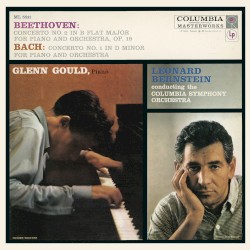 Piano Concerto No. 2 in B-flat major Op. 19 / Keyboard Concerto No. 1 in D minor, BWV 10521957
- 1.Piano Concerto No. 2 in B-flat major, Op. 19: I. Allegro con brio12:59
- 2.Piano Concerto No. 2 in B-flat major, Op. 19: II. Adagio9:18
- 3.Piano Concerto No. 2 in B-flat major, Op. 19: III. Rondo. Molto allegro5:33
- 4.Keyboard Concerto No. 1 in D minor, BWV 1052: I. Allegro8:34
- 5.Keyboard Concerto No. 1 in D minor, BWV 1052: II. Adagio7:07
- 6.Keyboard Concerto No. 1 in D minor, BWV 1052: III. Allegro8:17
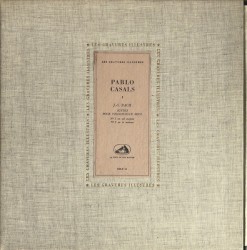 Suites pour violoncelle seul N° 1 en sol majeur / N° 2 en ré mineur1957
- 1.Suite N° 1 en sol majeur BWV 1007: 1er Mouvement : Prélude (Moderato)
- 2.Suite N° 1 en sol majeur BWV 1007: 2e Mouvement : Allemande (Molto Moderato)
- 3.Suite N° 1 en sol majeur BWV 1007: 3e Mouvement : Courante (Allegro Non Troppo)
- 4.Suite N° 1 en sol majeur BWV 1007: 4e Mouvement : Sarabande (Lento)
- 5.Suite N° 1 en sol majeur BWV 1007: 5e Mouvement : Menuetto I et II (Allegro Moderato)
- 6.Suite N° 1 en sol majeur BWV 1007: 6e Mouvement : Gigue (Vivace)
- 7.Suite N° 2 en ré mineur BWV 1008: 1er Mouvement : Præludium
- 8.Suite N° 2 en ré mineur BWV 1008: 2e Mouvement : Allemande
- 9.Suite N° 2 en ré mineur BWV 1008: 3e Mouvement : Courante
- 10.Suite N° 2 en ré mineur BWV 1008: 4e Mouvement : Sarabande
- 11.Suite N° 2 en ré mineur BWV 1008: 5e Mouvement : Menuetto I et II
- 12.Suite N° 2 en ré mineur BWV 1008: 6e Mouvement : Gigue
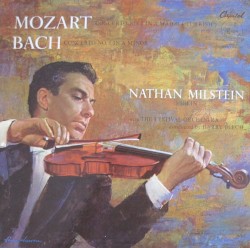 Concerti1957
- 1.Concerto No. 5 In A Major (“Turkish”) K.219: I. Allegro aperto8:57
- 2.Concerto No. 5 In A Major (“Turkish”) K.219: II. Adagio9:11
- 3.Concerto No. 5 In A Major (“Turkish”) K.219: III. Rondo. Tempo di menuetto8:17
- 4.Concerto No. 1 in A Minor: I.3:49
- 5.Concerto No. 1 in A Minor: II. Andante6:45
- 6.Concerto No. 1 in A Minor: III. Allegro assai3:51
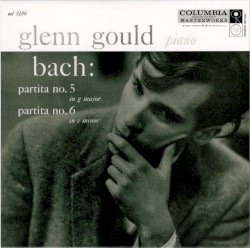 Partita no. 5 in G major / Partita no. 6 in E minor1957
- 1.Partita No. 5 in G major, BWV 829: I. Praembulum1:47
- 2.Partita No. 5 in G major, BWV 829: II. Allemande1:50
- 3.Partita No. 5 in G major, BWV 829: III. Courante0:41
- 4.Partita No. 5 in G major, BWV 829: IV. Sarabande2:02
- 5.Partita No. 5 in G major, BWV 829: V. Tempo di Minuetto1:05
- 6.Partita No. 5 in G major, BWV 829: VI. Passepied0:48
- 7.Partita No. 5 in G major, BWV 829: VII. Gigue1:38
- 8.The Well-Tempered Clavier II: BWV 883 Fugue in F-Sharp Minor3:18
- 9.The Well-Tempered Clavier II: BWV 878 Fugue in E Major4:17
- 10.Partita No. 6 in E minor, BWV 830: I. Toccata9:53
- 11.Partita No. 6 in E minor, BWV 830: II. Allemande2:05
- 12.Partita No. 6 in E minor, BWV 830: III. Courante2:19
- 13.Partita No. 6 in E minor, BWV 830: IV. Air0:43
- 14.Partita No. 6 in E minor, BWV 830: V. Sarabande3:40
- 15.Partita No. 6 in E minor, BWV 830: VI. Tempo di Gavotta0:52
- 16.Partita No. 6 in E minor, BWV 830: VII. Gigue3:26
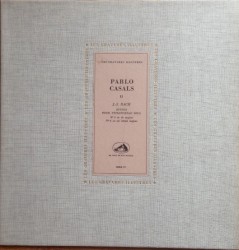 Suites pour violoncelle seul N°3 en do majeur / N°4 en mi bémol majeur1957
- 1.Suite No.3 in C Major, BWV 1009 for Cello Unaccompanied: 1st Mov.: Praeludium3:24
- 2.Suite No.3 in C Major, BWV 1009 for Cello Unaccompanied: 2nd Mov.: Allemande3:39
- 3.Suite No.3 in C Major, BWV 1009 for Cello Unaccompanied: 3rd Mov.: Courante3:06
- 4.Suite No.3 in C Major, BWV 1009 for Cello Unaccompanied: 4th Mov.: Sarabande3:23
- 5.Suite No.3 in C Major, BWV 1009 for Cello Unaccompanied: 5th Mov.: Bourrée I & II3:21
- 6.Suite No.3 in C Major, BWV 1009 for Cello Unaccompanied: 6th Mov.: Gigue2:58
- 7.Suite No.4 in E Flat Major, BWV 1010 for Cello Unaccompanied: 1st Mov.: Prélude (Allegro maestoso)4:12
- 8.Suite No.4 in E Flat Major, BWV 1010 for Cello Unaccompanied: 2nd Mov.: Allemande (Allegro moderato)3:50
- 9.Suite No.4 in E Flat Major, BWV 1010 for Cello Unaccompanied: 3rd Mov.: Courante (Allegro non troppo)3:53
- 10.Suite No.4 in E Flat Major, BWV 1010 for Cello Unaccompanied: 4th Mov.: Sarabande (Lento)4:06
- 11.Suite No.4 in E Flat Major, BWV 1010 for Cello Unaccompanied: 5th Mov.: Bourrée I & II3:35
- 12.Suite No.4 in E Flat Major, BWV 1010 for Cello Unaccompanied: 6th Mov.: Gigue (Vivace)2:30
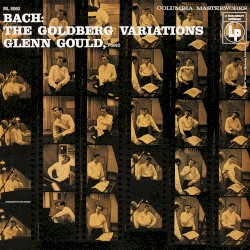 The Goldberg Variations1956
Tracklist not collected yet.
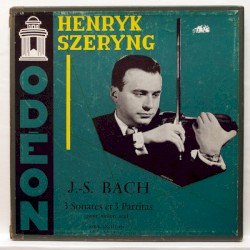 Sonatas and Partitas for Solo Violin1955
Tracklist not collected yet.
 Toccata en fa majeur / Concerto pour 2 trompettes en ut / Sonate en fa dièse, op. 78, « À Thérèse » / Symphonie n° 26 en mi bémol (K. 184) / Fantaisie‐impromptu, op. 66 / Carnaval romain, Ouverture1955
Tracklist not collected yet.
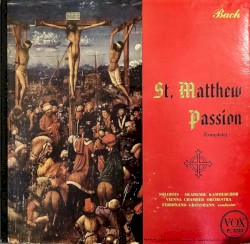 St. Matthew Passion1954
Tracklist not collected yet.
 Oratorio de Noël1954
Tracklist not collected yet.
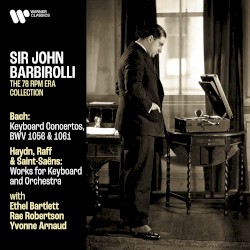 Bach: Keyboard Concertos, BWV 1056 & 1061 / Haydn, Raff & Saint-Saëns: Works for Keyboard and Orchestra2021
Tracklist not collected yet.
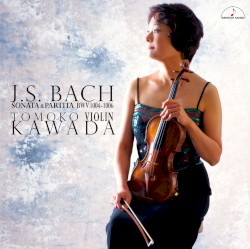 Sonata & Partita BWV1004 - 10062018
Tracklist not collected yet.
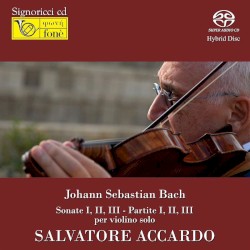 巴赫奏鸣曲与组曲2016
Tracklist not collected yet.
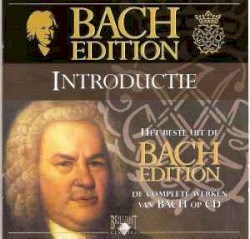 Bach Edition - Introductie1999
Tracklist not collected yet.
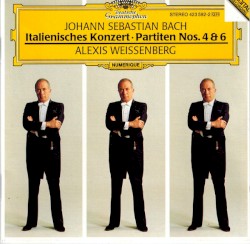 J. S. Bach: Italienisches Konzert, Partiten Nos. 4 & 61990
Tracklist not collected yet.
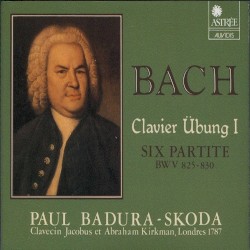 Clavier Übung I Six Partite BWV 825-8301986
Tracklist not collected yet.
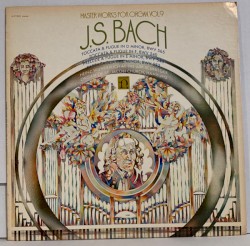 Master Works For Organ, Vol 9 - J.S. Bach1971
Tracklist not collected yet.
 Digital 3" Classics
Tracklist not collected yet.
Gallery
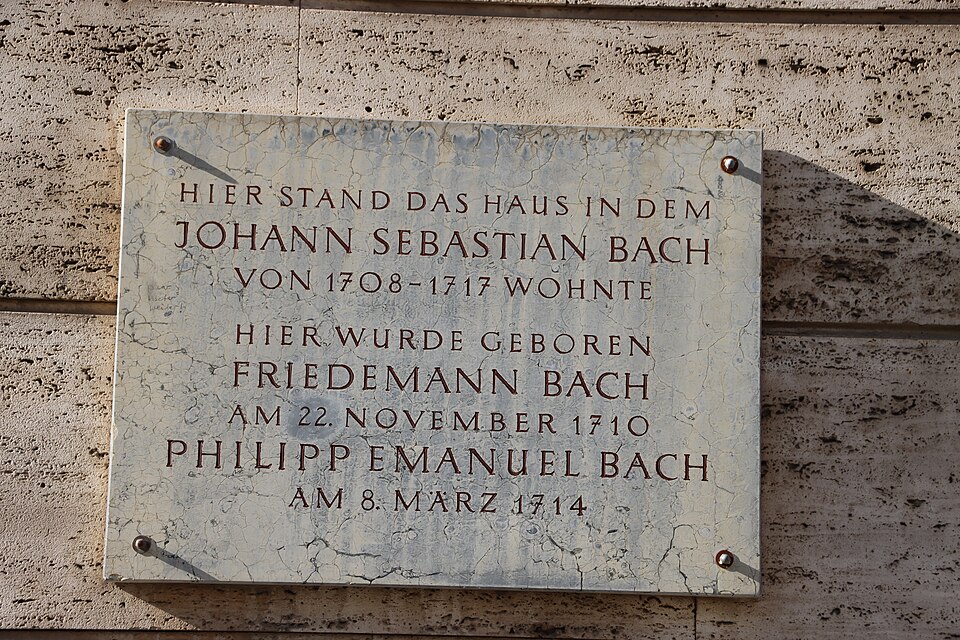


Influenced by
Similar artists


Archive
Passport
Identifiers & aliases
Also known as: Bach, Bach (1685-1750), J S Bach, J. S. Bach, J. S. Bacj, J. S. Bahs
Johann Sebastian Bach was a German composer and musician of the late Baroque period. He is known for his prolific output across a variety of instruments and forms, including the orchestral Brandenburg Concertos; solo instrumental works such as the Cello Suites and Sonatas and Partitas for Solo Violin; keyboard works such as the Goldberg Variations and The Well-Tempered Clavier; organ works such as the Schübler Chorales and the Toccata and Fugue in D minor; and choral works such as the St. Matthew Passion and the Mass in B minor. He is known for his mastery of counterpoint, as heard in The Musical Offering and The Art of Fugue. Felix Mendelssohn precipitated the Bach Revival with a performance of the St. Matthew Passion in 1829. Ever since, Bach has been acclaimed as one of the greatest composers in the history of Western music.
All links
Opinions of fans — not verified facts.
…