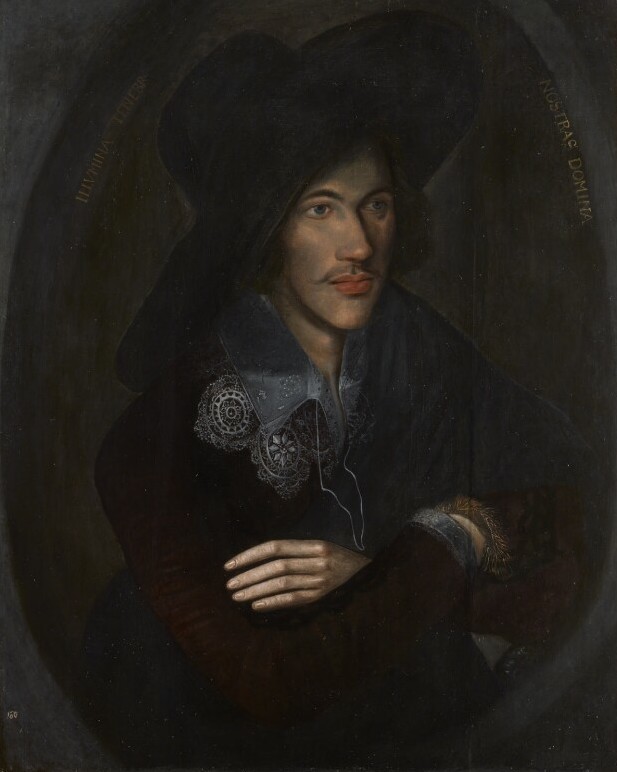
John Donne was not only a poet but also a cleric in the Church of England, showcasing his dual talents.
He is considered the preeminent representative of the metaphysical poets, known for his intricate and sensual style.
Donne's literary career began around 1573, marking the start of his journey as a significant poet.
Biography
Early Life
John Donne was born in 1572 into a recusant family in England, a background that would shape his later life and work. He was a scholar and soldier before eventually becoming a cleric in the Church of England. His early experiences and education laid the groundwork for his future as a poet and thinker.
Career
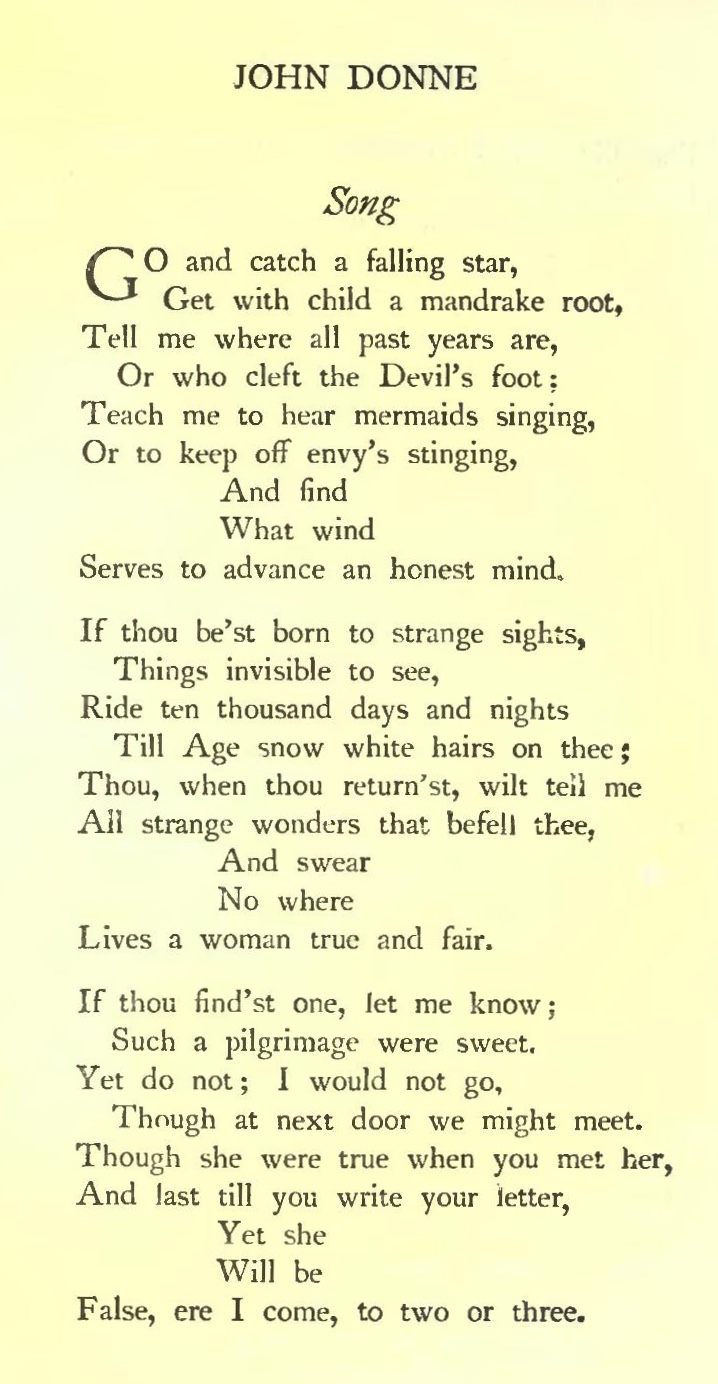
Donne's literary career began in earnest around 1573, and he quickly became known for his unique style as a metaphysical poet. His works, which include sonnets, love poems, religious poems, and satires, are characterized by their metaphorical and sensual style. He gained royal patronage and was appointed Dean of St Paul's Cathedral in London in 1621, a position he held until his death in 1631. Despite facing criticism for his metaphysical approach, Donne's influence grew over the years, with later poets and critics recognizing his mastery of the metaphysical conceit.
Legacy
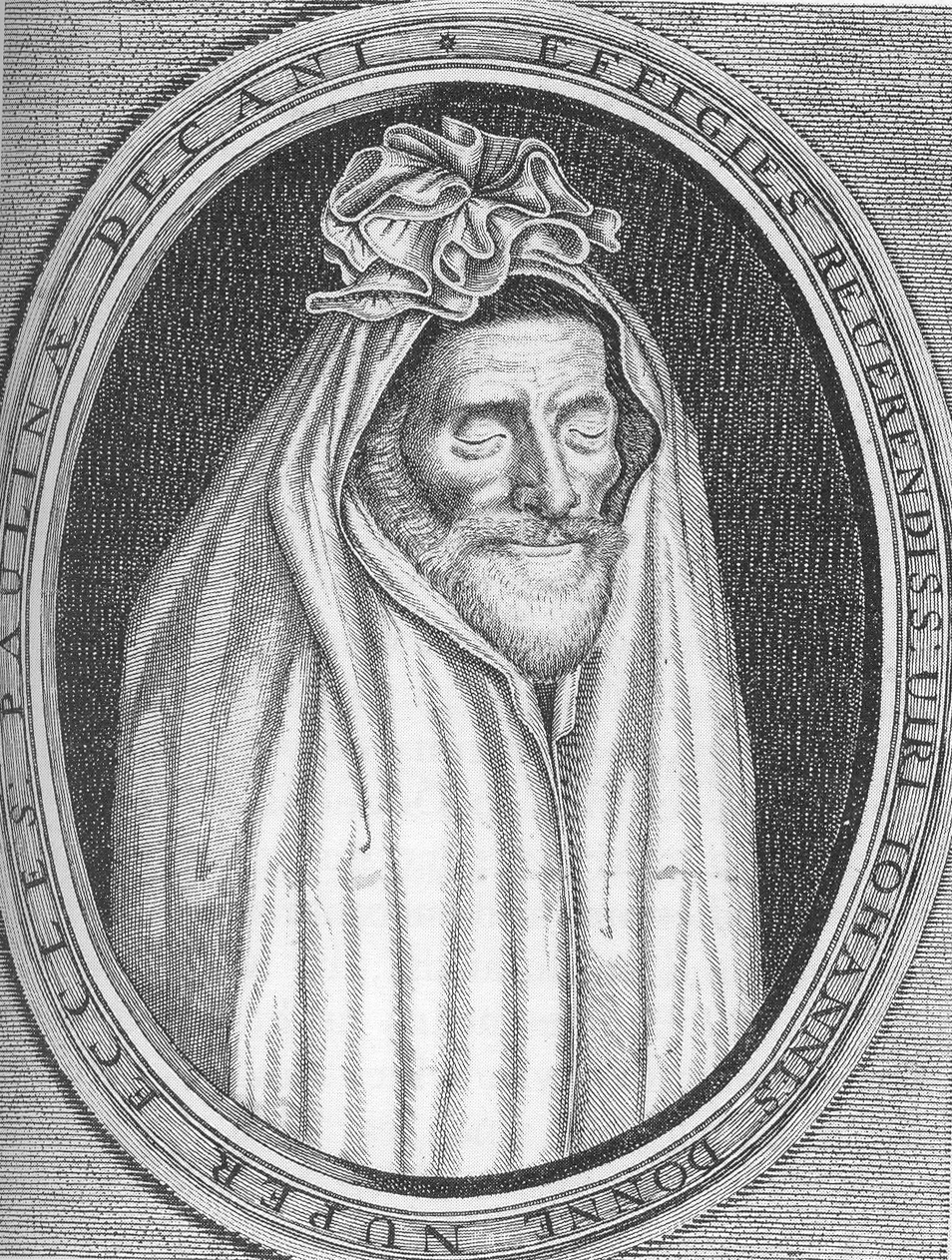
John Donne's legacy is significant in both literary and religious contexts. He is commemorated in the Calendar of Saints of the Church of England and other liturgical calendars, reflecting his dual identity as a poet and priest. His works were published posthumously, shaping the narrative of his life from a young rake to a revered divine. Donne's impact on poetry continues to be felt, with his innovative use of metaphor and exploration of complex themes influencing generations of writers.
Collected from open sources (4) · facts link to sources · AI-processed
Gallery


Archive
Passport
Identifiers & aliases
John Donne was an English poet, scholar, soldier and secretary born into a recusant family, who later became a cleric in the Church of England. Under royal patronage, he was made Dean of St Paul's Cathedral in London (1621–1631). He is considered the preeminent representative of the metaphysical poets. His poetical works are noted for their metaphorical and sensual style and include sonnets, love poems, religious poems, Latin translations, epigrams, elegies, songs and satires. He is also known for his sermons.
All links
Metrics in detail
Opinions of fans — not verified facts.
…