
Members
- Milan Fraslead vocals · 1983current
- Ivan Novakbackground vocals, electronic instrumentscurrent
- Janez Gabričmembranophonecurrent
- Luka Jamniksynthesizercurrent
- Sašo Vollmaiersynthesizercurrent
- Tomaž Hostniklead vocals · 1980–1982
- Andrej Lupincbass guitar, electronic instruments, original · 1980
- Bine Zerkoelectronic instruments, keyboard, membranophone, original · 1980
- Dejan Knezelectronic instruments, keyboard, membranophone, original · 1980–2004
- Srečko Bajdaelectronic instruments, original · 1980
- Damjan Biziljsynthesizer
- Ervin Markošekelectronic instruments, keyboard, membranophone
- Matej Mršnikguitar
- Tone Dimnikdrums (drum set), original
Laibach is recognized as a pioneering Slovenian avant-garde music group that blends various genres including industrial and martial music.
The band was officially formed on June 1, 1980, coinciding with Trbovlje's official holiday.
Laibach is associated with the Neue Slowenische Kunst (NSK) artist collective, which they co-founded in 1984.
Biography
Formation
Laibach is a Slovenian avant-garde music group that was formed on June 1, 1980, in the mining town of Trbovlje, Slovenia. The band emerged from the earlier group Salto Mortale, founded by Dejan Knez in 1978. The choice of June 1 as their formation date coincides with Trbovlje's official holiday, commemorating a significant workers' uprising in 1924. The name Laibach, derived from the German name for Ljubljana, reflects the band's historical and cultural roots, as it was used during Slovenia's time under the Austrian Empire and during World War II. Initially, the lineup included Dejan Knez, Tomaž Hostnik, Ivan Novak, and several others, with Hostnik serving as the lead vocalist until 1982.
Breakthrough and Musical Evolution
Laibach's early work was characterized by industrial rock, featuring heavy rhythms and powerful vocals. The band's sound evolved in the mid-1980s as they began incorporating covers of popular songs, transforming them into complex, layered compositions. Notable covers include their reinterpretation of "Live Is Life" by Opus, which was reimagined as a military march. The band gained significant attention in Western Europe, becoming one of the few Yugoslav bands to achieve such popularity during the existence of SFR Yugoslavia. In 1984, Laibach co-founded the Neue Slowenische Kunst (NSK) collective, further solidifying their influence in the art and music scene.
Legacy and Influence
Laibach's innovative approach to music and performance has left a lasting impact on various genres, including industrial and martial music. They have inspired numerous artists, including the German band Rammstein, who cite Laibach's aesthetic and vocal style as influential. The band's legacy is celebrated through tribute albums and documentaries, showcasing their unique blend of art and music that challenges societal norms and expectations. With a discography that includes albums like "Opus Dei" and "Volk," Laibach continues to be a significant force in the avant-garde music landscape.
Collected from open sources (4) · facts link to sources · AI-processed
Discography
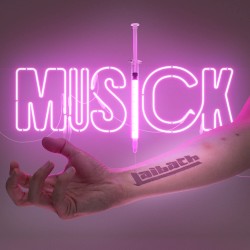 MUSICK2026
Tracklist not collected yet.
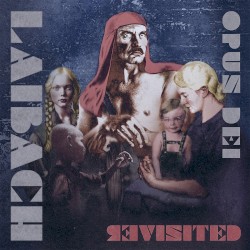 Opus Dei Revisited2024
Tracklist not collected yet.
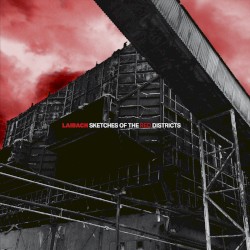 Sketches of the Red Districts2023
Tracklist not collected yet.
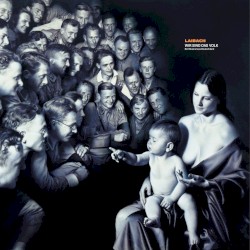 Wir sind das Volk: Ein Musical aus Deutschland2021
Tracklist not collected yet.
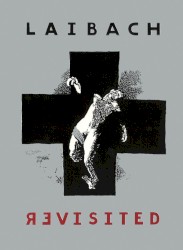 Laibach Revisited2020
Tracklist not collected yet.
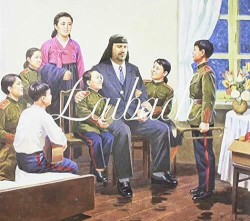 The Sound of Music2018
Tracklist not collected yet.
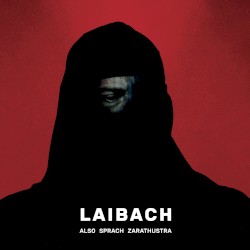 Also sprach Zarathustra2017
Tracklist not collected yet.
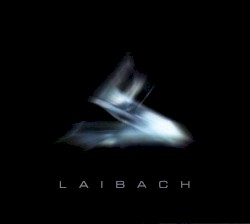 Spectre2014
Tracklist not collected yet.
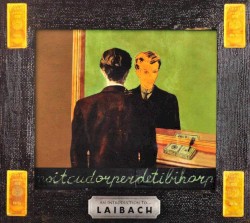 An Introduction To … Laibach / Reproduction Prohibited2012
Tracklist not collected yet.
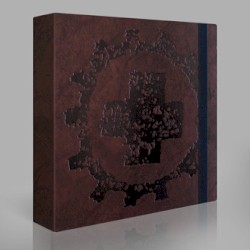 "Gesamtkunstwerk - Dokument 81-86“2011
Tracklist not collected yet.
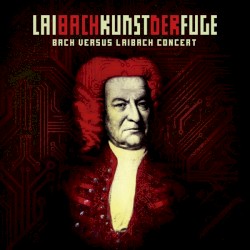 Laibachkunstderfuge2008
Tracklist not collected yet.
 Volk2006
Tracklist not collected yet.
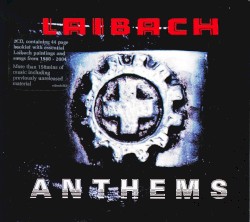 Anthems2004
Tracklist not collected yet.
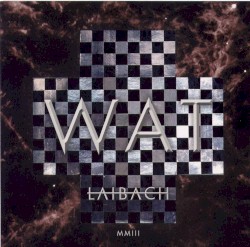 WAT2003
Tracklist not collected yet.
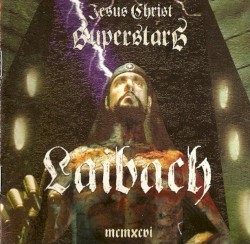 Jesus Christ Superstars1996
Tracklist not collected yet.
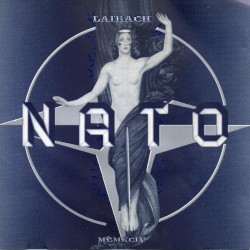 NATO1994
Tracklist not collected yet.
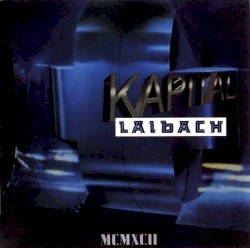 Kapital1992
Tracklist not collected yet.
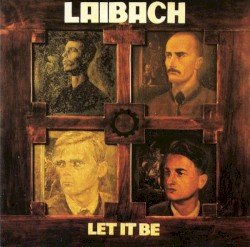 Let It Be1988
Tracklist not collected yet.
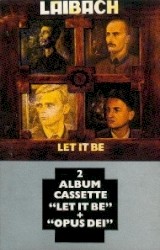 Let It Be / Opus Dei1988
Tracklist not collected yet.
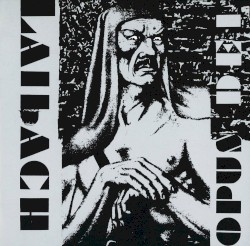 Opus Dei1987
Tracklist not collected yet.
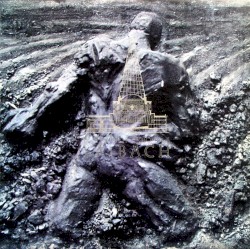 Slovenska Akropola1987
Tracklist not collected yet.
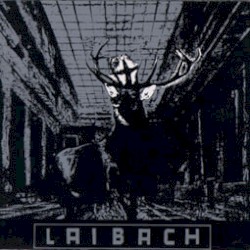 Nova Akropola1986
Tracklist not collected yet.
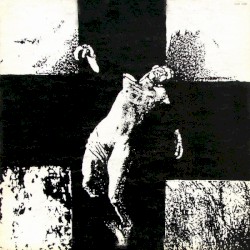 Laibach1985
Tracklist not collected yet.
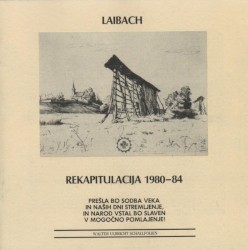 Rekapitulacija 1980-19841985
Tracklist not collected yet.
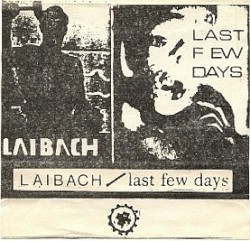 Laibach / Last Few Days1983
Tracklist not collected yet.
Gallery

© © Markus Felix | PushingPixels (contact me) · CC BY-SA 3.0 
© © Markus Felix | PushingPixels (contact me) · CC BY-SA 3.0 
© © Markus Felix | PushingPixels (contact me) · CC BY-SA 3.0 
© © Markus Felix | PushingPixels (contact me) · CC BY-SA 3.0 
© © Markus Felix | PushingPixels (contact me) · CC BY-SA 3.0 
© © Markus Felix | PushingPixels (contact me) · CC BY-SA 3.0
Label
- Record label
- Staalplaat
- Record label
- Mute Records
Achievements
- Award
- Viktor
- Award
- medal of merit
Similar artists


Archive
Passport
Identifiers & aliases
Laibach is a Slovenian avant-garde music group associated with the industrial, martial, and neoclassical genres. Formed in 1980 in the mining town of Trbovlje, Slovenia, Laibach represents the musical wing of the Neue Slowenische Kunst (NSK) artist collective, a group which Laibach co-founded in 1984.
Opinions of fans — not verified facts.
…