
Paul Bley was a Canadian free jazz and post-bop pianist known for his innovative contributions to jazz from the 1960s onward.
He was honored as a Member of the Order of Canada for his contributions to music.
Bley's music has been described as 'deeply original and aesthetically aggressive' by critics.
Biography
Early Life
Paul Bley was born on November 10, 1932, in Montreal, Quebec, to adoptive parents Betty Marcovitch and Joseph Bley. His early musical journey began with violin lessons at age five, but he switched to piano at seven after his parents' divorce. By eleven, he had earned a junior diploma from the McGill Conservatory and formed a band by thirteen, performing at summer resorts in Ste. Agathe, Quebec. As a teenager, he adopted the name "Paul" to appeal more to girls and played with various touring American bands, including Al Cowan's Tramp Band. In 1949, he was invited by Oscar Peterson to fulfill a contract at the Alberta Lounge in Montreal, marking a significant step in his career.
Career
Bley moved to New York City to attend Juilliard, where he would become a pivotal figure in the jazz scene. He was known for his contributions to the free jazz movement of the 1960s and was recognized for his innovative trio playing and early performances on synthesizers. His music, described by Ben Ratliff of the New York Times as "deeply original and aesthetically aggressive," spanned several decades, with influential recordings from the 1950s to solo piano works in the 2000s. Bley recorded numerous albums, including "Introducing Paul Bley," "Footloose!", and "Ballads," and collaborated with various artists throughout his career.
Legacy
Paul Bley passed away on January 3, 2016, leaving behind a rich legacy as a Canadian jazz pianist and a member of the Order of Canada. His work not only shaped the free jazz genre but also influenced generations of musicians with his unique approach to improvisation and trio dynamics. Bley's prolific output and innovative spirit continue to resonate within the jazz community, ensuring his place in music history.
Collected from open sources (4) · facts link to sources · AI-processed
Discography
 Right Time - Right Place1991
Tracklist not collected yet.
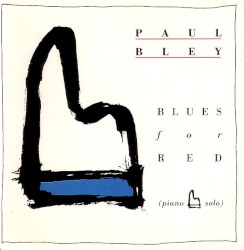 Blues for Red1991
Tracklist not collected yet.
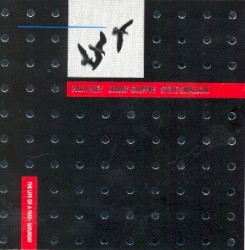 The Life of a Trio: Saturday1990
Tracklist not collected yet.
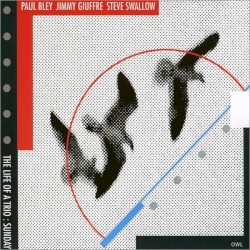 The Life of a Trio: Sunday1990
Tracklist not collected yet.
 Solo1989
Tracklist not collected yet.
 Notes1988
Tracklist not collected yet.
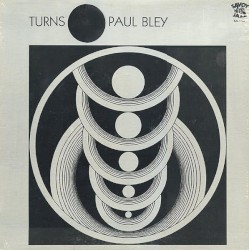 Turns1987
Tracklist not collected yet.
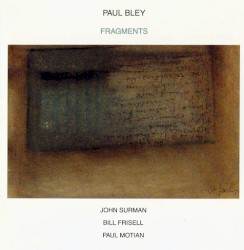 Fragments1986
Tracklist not collected yet.
 Jaco1986
Tracklist not collected yet.
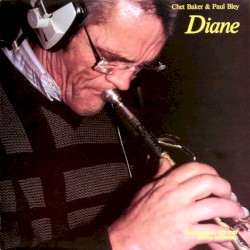 Diane1985
Tracklist not collected yet.
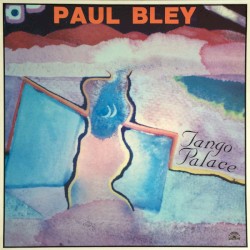 Tango Palace1985
Tracklist not collected yet.
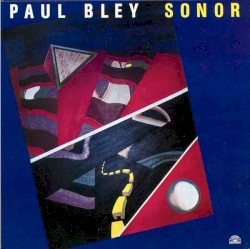 Sonor1984
Tracklist not collected yet.
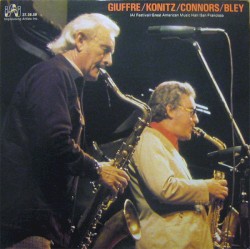 IAI Festival1978
Tracklist not collected yet.
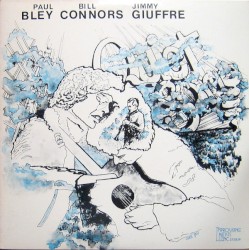 Quiet Song1975
Tracklist not collected yet.
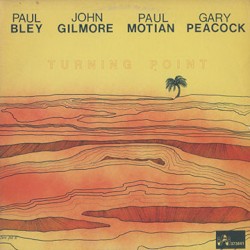 Turning Point1975
Tracklist not collected yet.
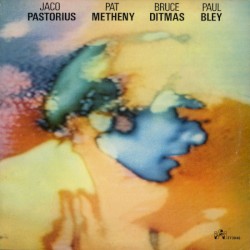 Jaco1974
Tracklist not collected yet.
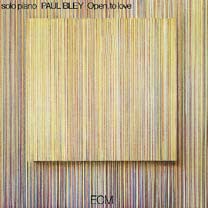 Open, to Love1973
Tracklist not collected yet.
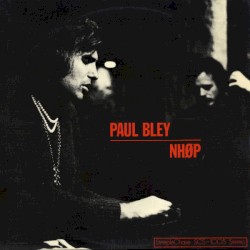 Paul Bley / NHØP1973
Tracklist not collected yet.
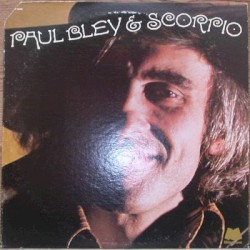 Paul Bley & Scorpio1973
Tracklist not collected yet.
 Ballads1971
Tracklist not collected yet.
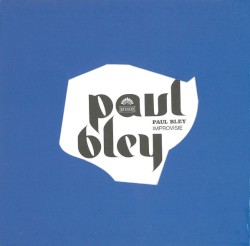 Improvisie1971
Tracklist not collected yet.
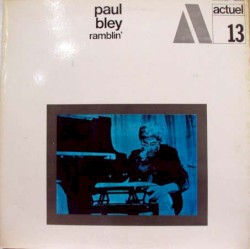 Ramblin’1969
Tracklist not collected yet.
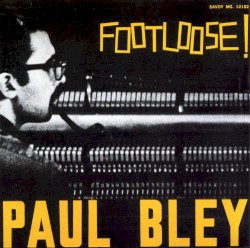 Footloose!1964
Tracklist not collected yet.
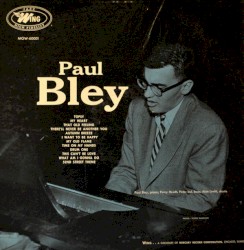 Paul Bley1955
Tracklist not collected yet.
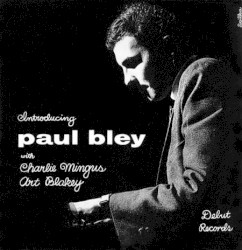 Introducing Paul Bley1954
Tracklist not collected yet.
Label
- Record label
- ECM Records
- Record label
- BYG Records
- Record label
- Columbia Records
- Record label
- ESP-Disk
Achievements
- Award
- Member of the Order of Canada
Groups
- Ornette Coleman Quintetpianocurrent
- Paul Bley Trioeponymouscurrent
- The Paul Bley Synthesizer Showcurrent
- The Jimmy Giuffre 31960–1962
Similar artists


Archive
Passport
Identifiers & aliases
Also known as: 保罗·布雷
Canadian free jazz, post-bop pianist and keyboardist (1932-2016)
Paul Bley, CM was a Canadian jazz pianist known for his contributions to the free jazz movement of the 1960s as well as his innovations and influence on trio playing and his early live performance on the Moog and ARP synthesizers. His music has been described by Ben Ratliff of the New York Times as "deeply original and aesthetically aggressive". Bley's prolific output includes influential recordings from the 1950s through to his solo piano recordings of the 2000s.
All links
Opinions of fans — not verified facts.
…