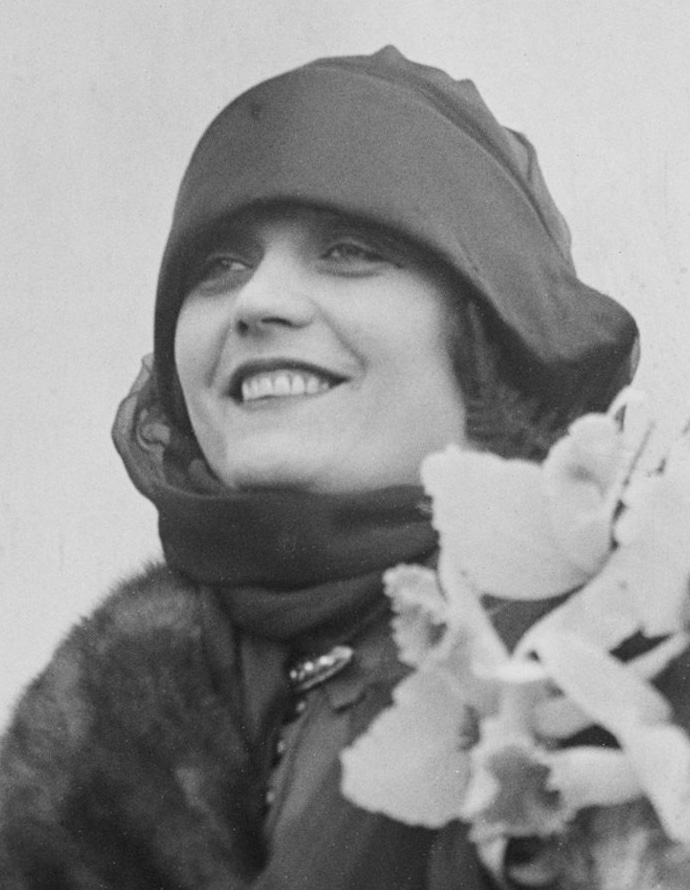
Pola Negri was born in 1897 in Lipno, Poland, and was the only surviving child of her parents.
Negri made her film debut in 1914 with the movie 'Niewolnica zmysłów' and quickly became a popular actress in Poland.
She was married to Count Eugeniusz Dąbski in 1919, but their marriage ended in 1922 after a long separation.
Biography
Early Life
Pola Negri, born Barbara Apolonia Chałupiec on January 3, 1897, in Lipno, Poland, was the only surviving child of a Polish mother, Eleonora Kiełczewska. Her family faced hardship after her father was arrested for revolutionary activities and sent to Siberia. Raised in poverty, Negri's mother worked as a cook to support them. Despite these challenges, Negri showed early promise in the arts, being accepted into Warsaw's Imperial Ballet Academy. However, a bout with tuberculosis halted her dancing career, leading her to adopt the stage name Pola Negri during her recovery.
Career
Negri's artistic journey began in earnest after her recovery, as she successfully auditioned at the Warsaw Imperial Academy of Dramatic Arts. She made her theatrical debut in 1912 and transitioned to film in 1914 with her role in "Niewolnica zmysłów". By the end of World War I, she had established herself as a prominent actress in Poland. Her move to the United States marked a significant turning point, where she became a celebrated figure in silent films, known for her roles as a tragedienne and femme fatale. Negri's collaborations with renowned directors like Ernst Lubitsch solidified her status in Hollywood.
Personal Life
Negri's personal life was as dramatic as her on-screen roles. She married Count Eugeniusz Dąbski in 1919, but the marriage ended in 1922. Her romantic entanglements with famous figures like Charlie Chaplin and Rudolph Valentino captured media attention, particularly her emotional display at Valentino's funeral in 1926, where she claimed he was the love of her life.
Legacy
Pola Negri left an indelible mark on cinema, earning a star on the Hollywood Walk of Fame and being honored with a postage stamp in Poland. Her contributions to film are celebrated through awards and festivals, including the Pola Negri Award at the Polish Film Festival of Los Angeles. A documentary about her life premiered in 2006, showcasing her lasting influence in the film industry.
Collected from open sources (4) · facts link to sources · AI-processed
Discography
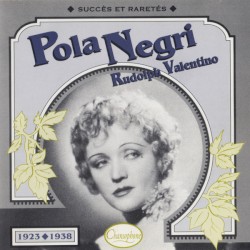 Pola Negri – Rudolph Valentino : Succès et raretés 1923–19381992
- 1.Paradis (du film “Paradis”)3:15
- 2.Mes nuits sont mortes2:46
- 3.Two Guitars3:26
- 4.L’Heure de la tristesse3:25
- 5.Pourquoi êtes‐vous triste ?3:07
- 6.Les Yeux noirs2:49
- 7.Why Fall in Love?2:47
- 8.Adieu2:55
- 9.Je sens en moi (du film “Mazurka”)3:11
- 10.Nur eine Stunde (du film “Mazurka”)2:57
- 11.Vergiß deine Sehnsucht3:09
- 12.Wenn die Sonne hinter den Dächern versinkt3:09
- 13.Mein Herz hat Heimweh… (du film “Moscou‐Shangai”)3:27
- 14.Ich möchte einmal nur mein ganzes Herz verschwenden3:19
- 15.Ich hab an dich gedacht (du film “Tango Notturno”)2:52
- 16.Kommt das Glück nicht heut? (du film “Tango Notturno”)2:36
- 17.Zeig der Welt nicht dein Herz (du film “Nacht der Entscheidung”)2:59
- 18.Siehst du die Sterne (du film “Nacht der Entscheidung”)2:50
- 19.For That One Hour (du film “Mazurka”)2:54
- 20.Stay Close To Me (du film “Mazurka”)3:11
- 21.Kashmiri Love Song3:33
- 22.El Relicario3:21
 Wenn die Sonne hinter den Dächern versinkt / Vergiß deine Sehnsucht1936
Tracklist not collected yet.
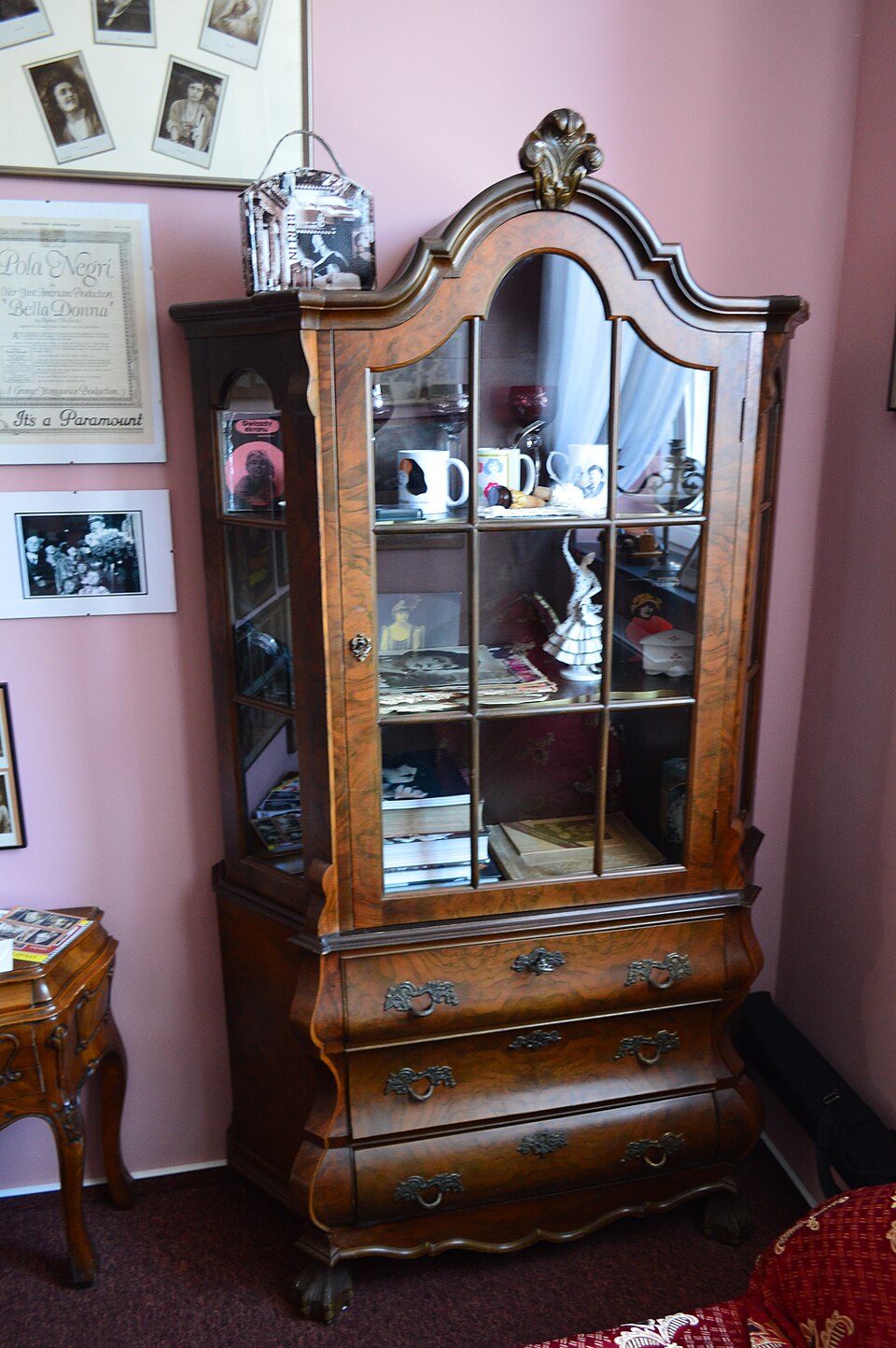
Gallery



Achievements
- Award
- German Film Award
- Award
- star on Hollywood Walk of Fame
Archive
Passport
Identifiers & aliases
Also known as: Barbara Apolonia Chałupiec
Pola Negri was a Polish stage and film actress and singer. She achieved worldwide fame during the silent and golden eras of Hollywood and European film for her tragedienne and femme fatale roles. She was also acknowledged as a sex symbol of her time.
All links
Opinions of fans — not verified facts.
…