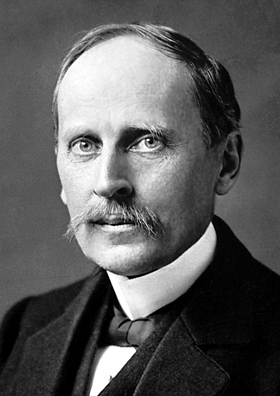
Rolland received the Prix Femina, a prestigious French literary award, during his career.
He also won the Grand prix de littérature de l'Académie française, further solidifying his literary reputation.
Romain Rolland was a multifaceted French author known for his contributions as a dramatist, novelist, and essayist.
Biography
Early Life
Romain Rolland was born on January 29, 1866, in France. He grew up to become a prominent figure in literature, known for his work as a dramatist, novelist, essayist, and art historian. His literary journey was marked by a deep commitment to exploring the human condition, which would later earn him significant recognition.
Career
Rolland's academic career began as a history teacher at prestigious institutions such as Lycée Henri IV and Lycée Louis le Grand. His passion for music led him to become a professor of the History of Music at the Sorbonne, where he influenced many students with his insights into the art form. His literary contributions were recognized globally, culminating in the prestigious Nobel Prize in Literature in 1915, awarded for his idealistic literary production and his empathetic portrayal of diverse human experiences.
Achievements and Legacy
Throughout his life, Rolland received numerous accolades, including the Prix Femina and the Grand prix de littérature de l'Académie française. His works reflect a profound understanding of humanity, and he is remembered not only for his literary achievements but also for his role in promoting cultural and artistic values. Romain Rolland passed away on December 30, 1944, leaving behind a rich legacy that continues to inspire writers and artists today.
Collected from open sources (4) · facts link to sources · AI-processed
Gallery


Achievements
- Award
- Nobel Prize in Literature
- Award
- Prix Femina
- Award
- Grand prix de littérature de l'Académie française
Archive
Passport
Identifiers & aliases
Romain Rolland was a French dramatist, novelist, essayist, art historian and mystic who was awarded the Nobel Prize for Literature in 1915 "as a tribute to the lofty idealism of his literary production and to the sympathy and love of truth with which he has described different types of human beings".
All links
Metrics in detail
Opinions of fans — not verified facts.
…