
Sir Georg Solti was a renowned Hungarian-British conductor known for his dynamic performances and interpretations of classical music.
He was appointed Knight Commander of the Order of the British Empire in recognition of his contributions to music.
Solti received the Grammy Lifetime Achievement Award, highlighting his significant impact on the music industry.
Biography
Early Life
Sir Georg Solti, born György Stern on October 21, 1912, in Budapest, Hungary, was the younger of two children in a Jewish family. His father, Móricz Stern, was a self-employed merchant, and his mother, Teréz, came from a musical background, encouraging her children in the arts. The family changed their surname to Solti due to Hungarianisation laws after World War I. Solti's early exposure to music came from accompanying his sister on the piano, which laid the foundation for his future career.
Career
Solti's illustrious career began in the 1930s when he worked as a répétiteur at the Hungarian State Opera and participated in the Salzburg Festival under Arturo Toscanini. However, the rise of the Nazis forced him to flee Hungary in 1938 due to anti-Jewish laws. After a brief period conducting Russian ballet in London, he found refuge in Switzerland, where he was prohibited from conducting and instead earned a living as a pianist. His career flourished post-World War II, leading him to become the music director of the Chicago Symphony Orchestra, where he gained international acclaim for his dynamic conducting style and interpretations of classical music.
Legacy
Sir Georg Solti's contributions to music were recognized with numerous awards, including the Grammy Lifetime Achievement Award and the Knight Commander of the Order of the British Empire. He was also honored with honorary doctorates from prestigious institutions, including Harvard University. His legacy continues through memorials such as the bronze bust dedicated in Chicago's Lincoln Park and the renaming of a street in his honor. Solti's impact on classical music remains profound, influencing generations of musicians and conductors.
Collected from open sources (4) · facts link to sources · AI-processed
Discography
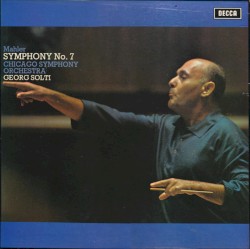 Symphony no. 71971
Tracklist not collected yet.
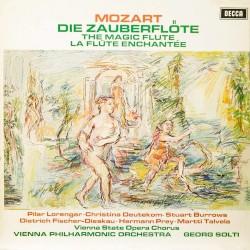 Die Zauberflöte1970
Tracklist not collected yet.
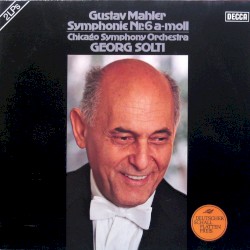 Symphonie Nr. 6 a-Moll1970
Tracklist not collected yet.
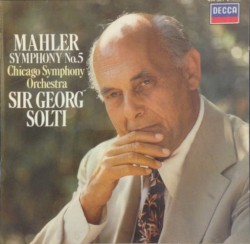 Symphony no. 51970
Tracklist not collected yet.
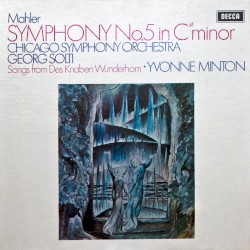 Symphony no. 5 in C-sharp minor / Songs From "Des Knaben Wunderhorn"1970
Tracklist not collected yet.
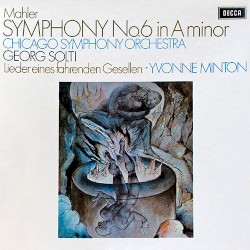 Symphony no. 6 in A minor / Lieder Eines Fahrenden Gesellen1970
Tracklist not collected yet.
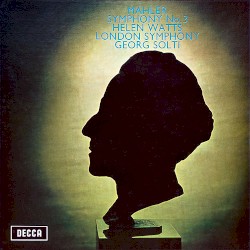 Symphony no. 31969
Tracklist not collected yet.
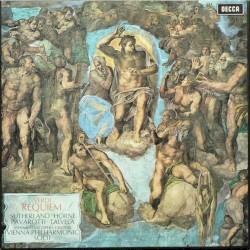 Requiem / Quattro Pezzi Sacri1968
Tracklist not collected yet.
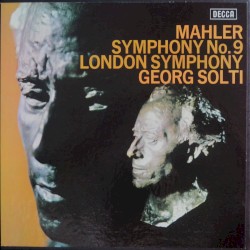 Symphony no. 91967
Tracklist not collected yet.
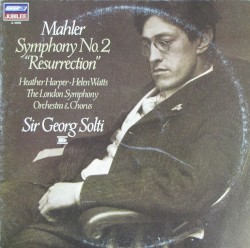 Symphony no. 2 in C minor “Resurrection”1966
Tracklist not collected yet.
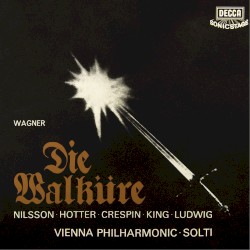 Die Walküre1965
Tracklist not collected yet.
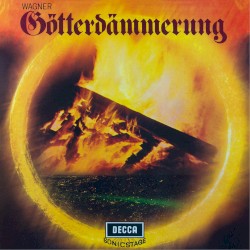 Götterdämmerung1965
Tracklist not collected yet.
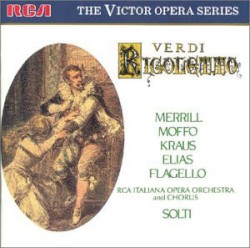 Rigoletto1964
Tracklist not collected yet.
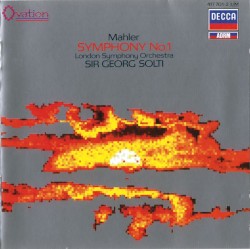 Symphony no. 11964
Tracklist not collected yet.
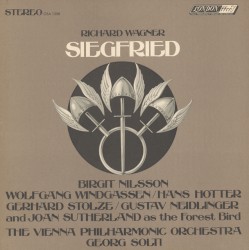 Siegfried1963
Tracklist not collected yet.
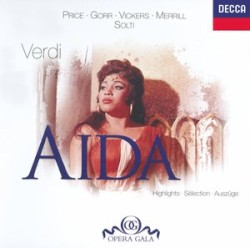 Aïda1962
Tracklist not collected yet.
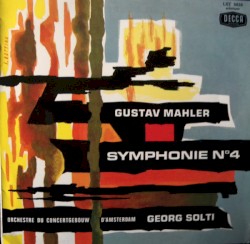 Symphony no. 4 in G major1961
Tracklist not collected yet.
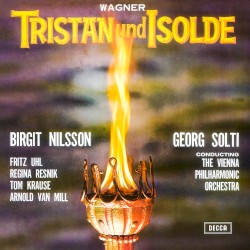 Tristan und Isolde1961
Tracklist not collected yet.
 Overtures1960
Tracklist not collected yet.
 Symphony no. 2 in C minor, op. 171960
Tracklist not collected yet.
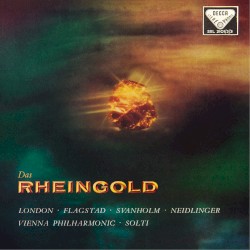 Das Rheingold1959
Tracklist not collected yet.
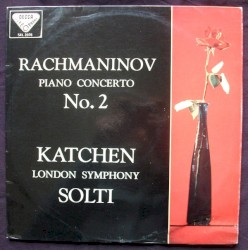 Piano Concerto no. 21959
Tracklist not collected yet.
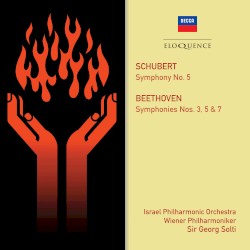 Schubert: Symphony no. 5 / Beethoven: Symphonies nos. 3, 5 & 71959
Tracklist not collected yet.
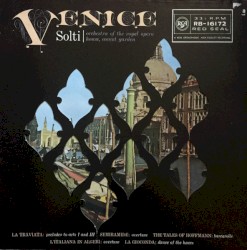 Venice1959
Tracklist not collected yet.
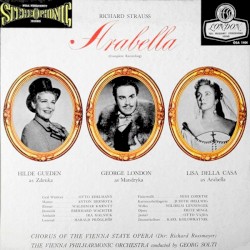 Arabella1958
Tracklist not collected yet.
Gallery


Label
- Record label
- Decca
Achievements
Great Cross with Star and Sash of the Order of Merit of the Federal Republic of Germany
- Award
- Grammy Trustees Award
- Award
- Léonie Sonning Music Prize
- Award
- Goethe Plaque of the City of Frankfurt
- Award
- Bavarian Maximilian Order for Science and Art
- Award
- Royal Philharmonic Society Gold Medal
- Award
- Hans von Bülow Medal
- Award
- Commandeur des Arts et des Lettres
- Award
- Frankfurter Musikpreis
- Award
- Brit Award for Classical Recording
- Award
- Ehrenplakette der Stadt Frankfurt am Main
- Award
- honorary doctor of Harvard University
- Award
- Geneva International Music Competition
- Award
- Grammy Lifetime Achievement Award
- Award
- Kennedy Center Honors
- Award
- Knight Grand Cross of the Order of Merit of the Italian Republic
- Award
- Knight Commander of the Order of the British Empire
Groups
- World Orchestra for Peaceoriginal · 1995current
Similar artists



Archive
Passport
Identifiers & aliases
Also known as: Georg Solti, George Solti, György Stern, Sir George Solti, Solti, Stern György
Sir Georg Solti was a Hungarian-British orchestral and operatic conductor, known for his appearances with opera companies in Munich, Frankfurt, and London, and as a long-serving music director of the Chicago Symphony Orchestra. Born in Budapest, he studied there with Béla Bartók, Leó Weiner, and Ernő Dohnányi. In the 1930s, he was a répétiteur at the Hungarian State Opera and worked at the Salzburg Festival for Arturo Toscanini. His career was interrupted by the rise of the Nazis' influence on Hungarian politics, and being Jewish, he fled the increasingly harsh Hungarian anti-Jewish laws in 1938. After conducting a season of Russian ballet in London at the Royal Opera House, he found refuge in Switzerland, where he remained during the Second World War. Prohibited from conducting there, he earned a living as a pianist.
All links
Opinions of fans — not verified facts.
…