
Władysław Szpilman was a Polish Jewish pianist, composer, and Holocaust survivor, born in 1911.
He is widely recognized as the central figure in the film "The Pianist," based on his autobiographical account of survival during the Holocaust.
Szpilman studied piano with notable teachers, including Aleksander Michałowski and Artur Schnabel, both linked to the great Franz Liszt.
Biography
Early Life
Władysław Szpilman was born on December 5, 1911, in Poland. He was a Polish Jewish pianist and composer who would later become a renowned figure in classical music. Szpilman began his musical education at the Chopin Academy of Music in Warsaw, where he studied under notable teachers such as Aleksander Michałowski and Józef Śmidowicz, both of whom were pupils of the legendary Franz Liszt. His pursuit of excellence in music led him to the prestigious Academy of Arts in Berlin in 1931, where he studied with prominent figures like Artur Schnabel and Franz Schreker.
Career
Upon returning to Warsaw in 1933, Szpilman quickly established himself as a celebrated pianist and composer, performing both classical and popular music. He became a prominent soloist and collaborated with esteemed violinists, including Roman Totenberg and Ida Haendel. In 1935, he joined Polish Radio, where he showcased his talents in classical and jazz music. His compositions during this period included orchestral works, piano pieces, and around 50 popular songs. Szpilman's career was tragically interrupted by the German invasion of Poland in 1939, which led to the destruction of the Polish Radio building shortly after his last performance of Chopin.
Legacy
Władysław Szpilman is perhaps best known as the central figure in Roman Polanski's film "The Pianist," which depicts his harrowing experiences during the Holocaust and his survival in occupied Warsaw. His life story is a testament to resilience and the enduring power of music. Szpilman received numerous accolades for his contributions to culture, including the Commander with Star of the Order of Polonia Restituta and the Gold Cross of Merit. He passed away on July 6, 2000, leaving behind a rich legacy in the world of classical music.
Collected from open sources (4) · facts link to sources · AI-processed
Discography
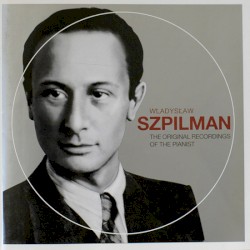 The Original Recordings of “The Pianist”2002
- 1.Nocturne C-sharp minor3:28
- 2.Prelude G-sharp minor, op. 32,122:35
- 3.Fantasie C major9:45
- 4.Concertino (1940) for Piano and Orchestra10:56
- 5.Images, Set 14:21
- 6.Paraphrase of a Waltz by Robert Stoltz2:46
- 7.Cantos de España: Córdoba4:27
- 8.Liebesleid4:14
- 9.Mazurka, op. 17 no. 43:41
- 10.Partita, BWV 1004: Chaconne D minor13:28
- 11.Nocturne C-sharp minor3:36
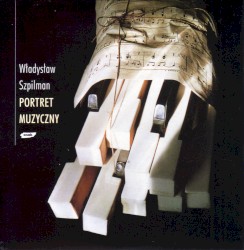 Portret muzyczny2000
- 1.Chaconne13:32
- 2.Nokturn cis-moll, op. posth.3:39
- 3.Mazurek, op. 17 nr 43:46
- 4.Ballada f-moll, op. 5210:33
- 5.Polonez-Fantazja As-dur, op. 6111:42
- 6.Polonez As-dur, op. 536:43
- 7.Dziewczyna z włosami jak len2:09
- 8.Cordoba4:31
- 9.Preludium gis-moll, op. 32 nr 122:28
- 10.Cierpienie miłosne4:16
- 11.Parafraza walca z "Zemsty Nietoperza" Johanna Straussa5:55
- 12.Taniec wiedeński3:25
- 13.Parafraza walca Roberta Stolza2:47
- 14.Toccattina1:35
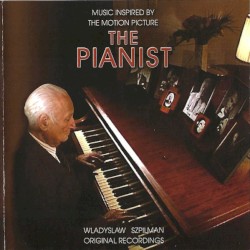 The Pianist (Music inspired by the Motion Picture)
- 1.Nocturne no. 20, op. posthumous in C-sharp minor3:27
- 2.Daisies, op. 38 no. 32:23
- 3.Prelude in G-sharp minor, op. 322:34
- 4.Fantasie C major, op. 17: Part 39:45
- 5.Concertino for Piano and Orchestra10:53
- 6.The Girl with the Flaxen Hair2:13
- 7.Images no. 3 - Reflections in the Water4:22
- 8.Córdoba (Cantos de España no. 4, op. 232)4:29
- 9.Paraphrase on Theme from Johann Strauss Die Fledermaus5:53
- 10.Chaconne from Partita no. 2 in D minor, BWV 100413:28
- 11.Liebesleid4:15
- 12.Mazurka in A-flat, op. 17 no. 33:42
- 13.Nocturne no. 20, op. posthumous in C-sharp minor3:35
Gallery


Label
- Record label
- Polskie Nagrania Muza
- Record label
- Sony Classical
Achievements
- Award
- Commander with Star of the Order of Polonia Restituta
- Award
- Gold Cross of Merit
- Award
- Knight of the Order of Polonia Restituta
- Award
- Zasłużony Działacz Kultury
Similar artists



Archive
Passport
Identifiers & aliases
Also known as: Wladislaw Szpilman, Wladyslaw Szpilman
Władysław Szpilman was a Polish Jewish pianist, classical composer and Holocaust survivor. Szpilman is widely known as the central figure in the Roman Polanski film The Pianist, which was based on his autobiographical account of how he survived the German occupation of Warsaw and the Warsaw Uprising.
All links
Opinions of fans — not verified facts.
…