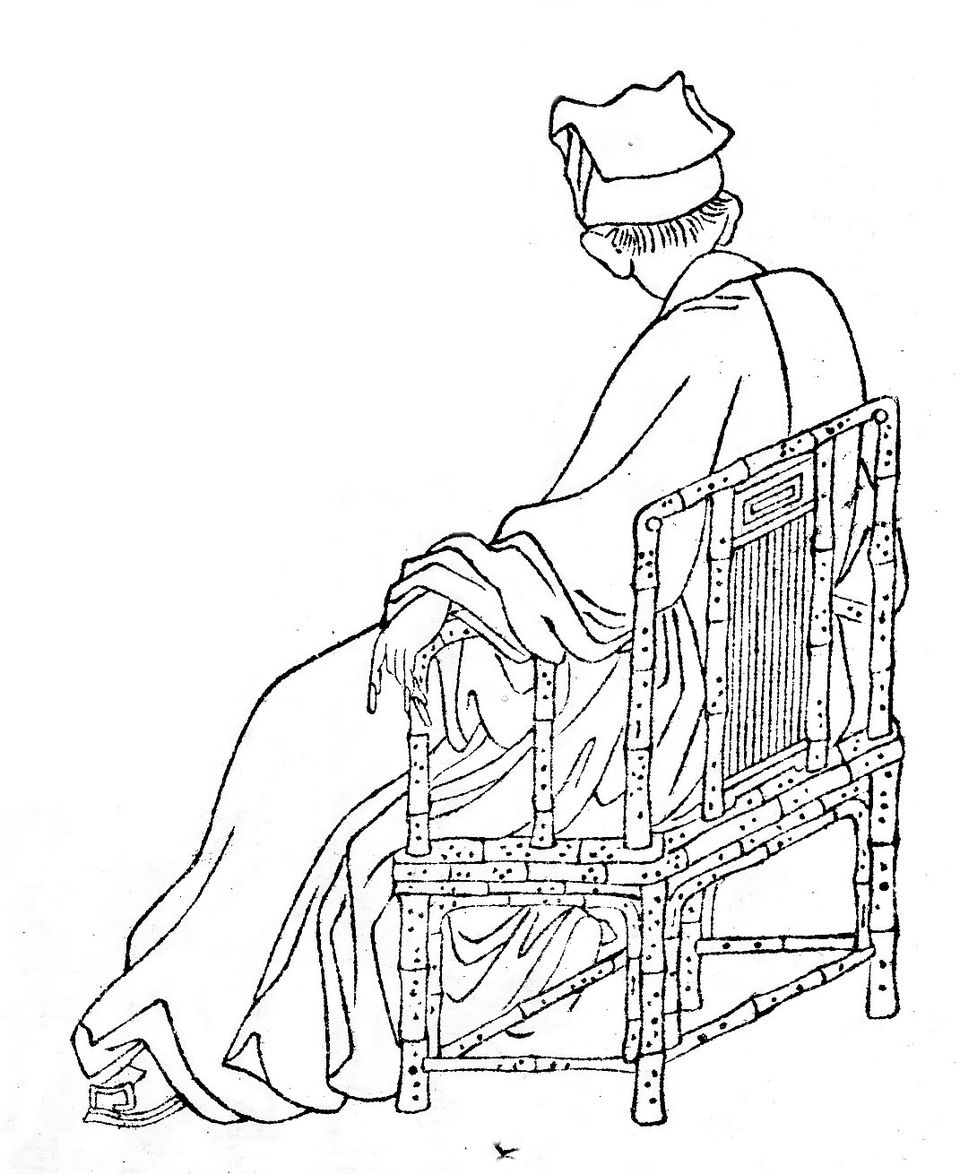
Wang Wei was not only a musician but also a renowned poet and painter, making significant contributions to Chinese arts.
He is celebrated for his poetry, with about 400 poems surviving, including 29 in the famous anthology "Three Hundred Tang Poems."
Wang Wei was born into an aristocratic family and showed early talent in poetry and music, particularly with the pipa.
Biography
Early Life
Wang Wei, courtesy name Mojie, was born into an aristocratic Han Chinese family in the 8th century, originally from Qixian in present-day Shanxi province. His father relocated the family east of the Yellow River to Puzhou, part of the historic Hedong Commandery. Displaying remarkable talent from a young age, Wang Wei was the eldest of five brothers and set off for Chang’an, the imperial capital, at the age of nineteen to prepare for the civil service examination. During his time in Chang’an, he gained favor at the court due to his exceptional skills in poetry and music, particularly with the pipa instrument.
Career
Wang Wei's career began auspiciously when he passed the palace examination in 721, achieving the top position known as Zhuangyuan. His initial role was as a court musician, serving as the Deputy Master of Music. However, his career faced a setback when he was demoted to oversee a granary in Jizhou after performing a lion dance, which was considered a breach of etiquette. Despite this, the demotion allowed him to travel and gain new experiences. His fortunes improved as he formed a connection with the influential minister and poet Zhang Jiuling, leading to a series of promotions. Wang Wei is celebrated not only for his musical talents but also for his contributions to poetry, with around 400 of his poems surviving, including 29 featured in the esteemed anthology "Three Hundred Tang Poems."
Artistic Legacy
Wang Wei is regarded as one of the most distinguished figures in the arts and letters of the middle Tang dynasty. His poetry often drew inspiration from the local landscapes, reflecting his deep appreciation for nature. His multifaceted talents as a musician, painter, and poet have left a lasting impact on Chinese culture, solidifying his status as a prominent figure in the history of Chinese literature and art.
Collected from open sources (4) · facts link to sources · AI-processed
Similar artists


Archive
Passport
Identifiers & aliases
Also known as: Wang Wei, Wáng Wéi, 王维
Wang Wei, courtesy name Mojie, was a Chinese musician, painter, poet, and politician of the middle Tang dynasty. He is regarded as one of the most distinguished men of arts and letters of his era. About 400 of his poems survived and 29 of them are included in the 18th-century anthology Three Hundred Tang Poems. A large portion of his finest poems drew inspirations from the local landscape.
All links
Opinions of fans — not verified facts.
…