
The Moody Blues
Band · UK · 1964–2018
Members
 John Lodgebass guitar, guitar, lead vocals · 1966current
 Denny Lainecurrent
- Clint Warwickbass guitar, lead vocals, original · 1964–1966
- Denny Laineguitar, lead vocals, original · 1964–1966
 Graeme Edgedrums (drum set), lead vocals, original, percussion · 1964–2018
 Mike Pinderkeyboard, lead vocals, original · 1964–1979
 Ray Thomasflute, harmonica, lead vocals, original, percussion · 1964–2002
 Justin Haywardguitar, lead vocals · 1966–2018
- Rodney Clarkbass guitar, lead vocals · 1966–1966
 Patrick Morazkeyboard · 1978–1991
- Bias Boshelladditional, keyboard · 1986–1986
- Janis Liebhartadditional, background vocals · 1986–1987
- Wendy McKenzieadditional, background vocals · 1986–1987
- Guy Allisonadditional, keyboard · 1987–1990
- Naomi Staradditional, background vocals · 1988–1990
- Shaun Murphyadditional, background vocals · 1988–1990
- Bekka Bramlettadditional, background vocals · 1990–1990
- Bias Boshelladditional, keyboard · 1990–2001
- Gordon Marshalladditional, drums (drum set), percussion · 1990–2018
- Paul Blissadditional, guitar, keyboard · 1990–2010
- Terry Woodadditional, background vocals · 1990–1990
- June Boyceadditional, background vocals · 1991–1993
- Susan Shattockadditional, background vocals · 1991–2000
- Tracy Grahamadditional, background vocals · 1993–2001
- Bernie Barlowadditional, background vocals, keyboard, percussion · 2001–2006
- Norda Mullenadditional, background vocals, flute, guitar, percussion · 2003–2018
- Julie Raginsadditional, background vocals, guitar, keyboard, percussion, saxophone · 2006–2018
- Bernie Barlowadditional, background vocals, keyboard · 2009–2010
- Alan Hewittadditional, background vocals, keyboard · 2010–2018
The band was inducted into the Vocal Group Hall of Fame in 2006, further solidifying their legacy in music history.
The Moody Blues are an iconic English rock band known for their rich symphonic sound and innovative music style.
The band was formed in May 1964, marking the beginning of their influential career in rock music.
Biography
Formation
The Moody Blues were formed in Birmingham, England, in May 1964, originally consisting of Graeme Edge (drums), Denny Laine (guitar/vocals), Mike Pinder (keyboards/vocals), Ray Thomas (multi-instrumentalist/vocals), and Clint Warwick (bass/vocals). They began their career in the British beat and R&B scene, gaining early recognition with their hit single "Go Now," which reached No. 1 in the UK and the Top 10 in the US in late 1964.
Lineup Changes and Evolution
In 1966, Laine and Warwick departed, leading to the recruitment of Justin Hayward (guitar/vocals) and John Lodge (bass/vocals). This new lineup embraced the psychedelic rock movement, culminating in their landmark album, "Days of Future Passed" (1967), which blended rock with classical music and is often regarded as one of the first successful concept albums. Over the years, the band released several influential albums, including "In Search of the Lost Chord" (1968), "On the Threshold of a Dream" (1969), and "A Question of Balance" (1970).
Hiatus and Reunion
The Moody Blues experienced a hiatus in the mid-1970s, during which members pursued solo projects. However, they reunited and continued to produce music, releasing albums such as "Long Distance Voyager" (1981) and "The Other Side of Life" (1986). The band remained active until their disbandment in 2018, leaving behind a rich legacy in progressive and psychedelic rock.
Legacy
The Moody Blues have been recognized for their significant contributions to music, being inducted into the Rock and Roll Hall of Fame in 2018. Their innovative sound and use of synthesizers have influenced numerous artists and bands, solidifying their place in rock history.
Collected from open sources (4) · facts link to sources · AI-processed
Discography
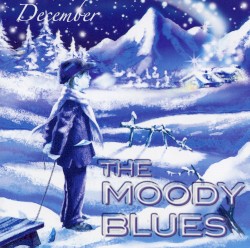 December2003
Tracklist not collected yet.
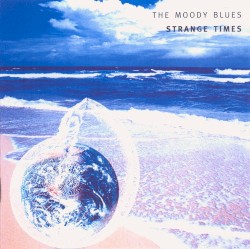 Strange Times1999
Tracklist not collected yet.
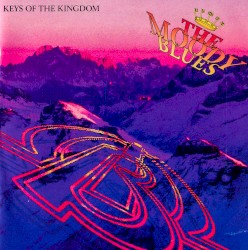 Keys of the Kingdom1991
Tracklist not collected yet.
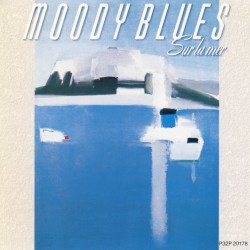 Sur la mer1988
Tracklist not collected yet.
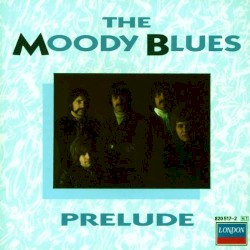 Prelude1987
Tracklist not collected yet.
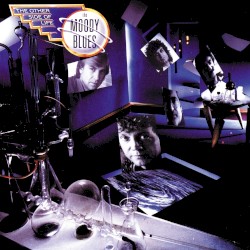 The Other Side of Life1986
Tracklist not collected yet.
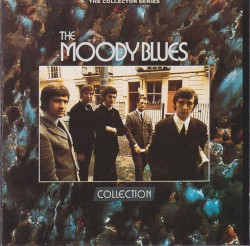 The Moody Blues Collection1986
Tracklist not collected yet.
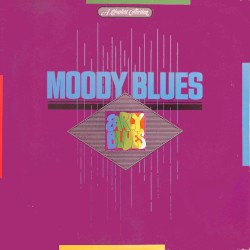 Early Blues1985
Tracklist not collected yet.
 Voices in the Sky: The Best of The Moody Blues1984
Tracklist not collected yet.
 The Present1983
Tracklist not collected yet.
 Long Distance Voyager1981
Tracklist not collected yet.
 Out of This World1979
Tracklist not collected yet.
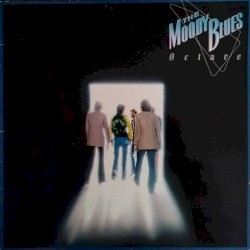 Octave1978
Tracklist not collected yet.
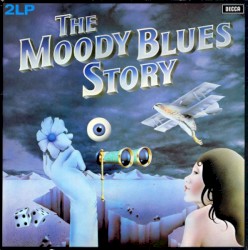 The Moody Blues Story1978
Tracklist not collected yet.
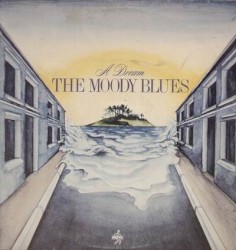 A Dream1976
Tracklist not collected yet.
 This Is The Moody Blues1974
Tracklist not collected yet.
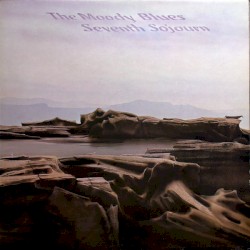 Seventh Sojourn1972
Tracklist not collected yet.
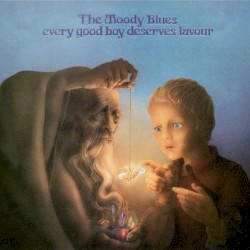 Every Good Boy Deserves Favour1971
Tracklist not collected yet.
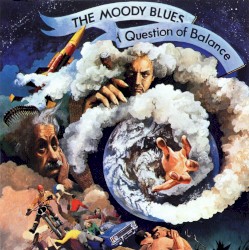 A Question of Balance1970
Tracklist not collected yet.
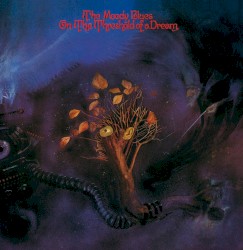 On the Threshold of a Dream1969
Tracklist not collected yet.
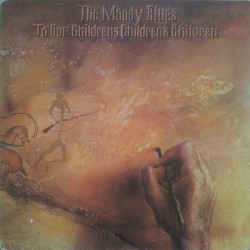 To Our Children’s Children’s Children1969
Tracklist not collected yet.
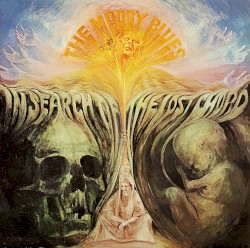 In Search of the Lost Chord1968
Tracklist not collected yet.
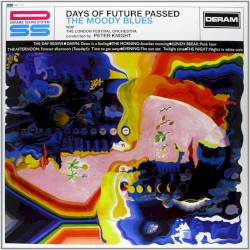 Days of Future Passed1967
Tracklist not collected yet.
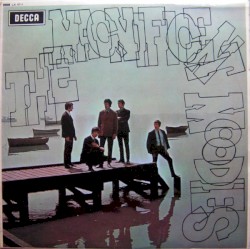 The Magnificent Moodies1965
Tracklist not collected yet.
 El rock de los chicos malos
Tracklist not collected yet.
Gallery


Label
- Record label
- Decca
- Record label
- Deram
- Record label
- Polydor Records
- Record label
- London Records
- Record label
- Universal Music Group
- Record label
- The Rocket Record Company
Achievements
- Award
- Rock and Roll Hall of Fame
Similar artists




Archive
Passport
Identifiers & aliases
Also known as: Moody Blues, Moody Blues, The
The Moody Blues were an English rock band formed in Birmingham in May 1964. The group initially consisted of Graeme Edge (drums), Denny Laine (guitar/vocals), Mike Pinder (keyboards/vocals), Ray Thomas (multi-instrumentalist/vocals) and Clint Warwick (bass/vocals). Originally part of the British beat and R&B scene of the early-to-mid-1960s, they came to prominence with the UK No. 1 and US Top 10 single "Go Now" in late 1964/early 1965. Laine and Warwick both left the band in 1966, with Edge, Pinder and Thomas recruiting new members Justin Hayward (guitar/vocals) and John Lodge (bass/vocals). They embraced the psychedelic rock movement of the late 1960s, with their second album, Days of Future Passed (1967), a fusion of rock with classical music. It has been described as a "landmark" in the development of art rock and progressive rock, and "one of the first successful concept albums".
Opinions of fans — not verified facts.
…